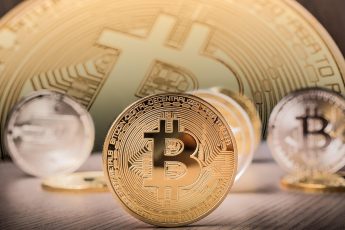
Comparing Bitcoin Physical Coin Options for Investment Strategies
Sharon Brent reports on Saturday, February 14, 2026 at 06:20 PM that the ongoing analysis of the bitcoin physical coin reveals notable differences in quality and usability for collectors and investors.
When comparing bitcoin physical coins to digital alternatives, one significant difference is the tangible nature of the coins, which can enhance the perception of security for some users. Performance characteristics reveal that physical coins may offer greater privacy, as they do not require internet connectivity during transactions; however, this can also result in less convenience compared to instant digital transfers. Evaluating ease of use, while physical coins necessitate secure storage and careful handling, digital wallets provide a more user-friendly experience with quick access and management options.
How the Options Differ
- The risk of loss or theft of a bitcoin physical coin is higher than that associated with digital wallets or online exchanges, as physical forms can be stolen or damaged.
- In terms of performance characteristics, a bitcoin physical coin offers tangible ownership but lacks the versatility and immediate liquidity of digital transactions.
- Evaluating alternatives involves considering factors such as security, ease of use, and the physical storage requirements of holding a bitcoin physical coin versus digital forms.
- Common hesitations include concerns about the coin's authenticity, the potential for obsolescence, and the challenges in accessing value compared to purely digital assets.
- The objective of this comparison is to inform potential users about the implications and practicality of investing in bitcoin physical coins relative to other formats.
Comparing Investment Options for Bitcoin-backed Assets
Investing in bitcoin physical coins can present a unique opportunity for individuals looking to diversify their portfolios and engage with cryptocurrency in a tangible way. As potential investors weigh their options, it is essential to analyze the various alternatives available, clarifying risks and advantages to facilitate informed decision-making.
One primary objective behind comparing the different options for bitcoin physical coins is to assist investors in determining which choice aligns best with their investment goals. There are several alternatives within this domain, including collectible coins, bullion bars, and digitally-backed physical coins. Each option carries distinct attributes that influence investment security, accessibility, liquidity, and overall value. Notable differences in quality and usability.
To evaluate these alternatives effectively, one must consider criteria such as security, cost, usability, and potential returns. For instance, collectible coins may appeal to those interested in numismatics, offering a unique blend of artistic and historical value alongside their bitcoin content. However, their prices can be volatile and may include additional costs, such as premiums for rarity.
On the other hand, bullion coins, which focus on delivering intrinsic value based on their bitcoin content, can be more straightforward investments. They typically have lower premiums compared to collectible coins, which may attract investors seeking straightforward value. Nevertheless, one must account for security risks associated with theft or loss, underscoring the importance of safe storage solutions.
Comparing Security and Cost of Coin Options
Unique opportunity for diversification.
Digitally-backed physical coins emerge as another noteworthy option. These coins often incorporate advanced technology to verify their authenticity, enhance security, and provide efficient ownership transfer. However, investors must also evaluate the associated costs, which may include transaction fees and initial purchase premiums.
| Stability fault lines | Long-term positioning impact | Who this tends to fail for | Diversification-based options |
|---|---|---|---|
| Physical loss risks if not stored properly | Exposure to pricing volatility over time | Individuals lacking secure storage options | Use of digital wallets alongside physical coins |
| Limited liquidity compared to digital currencies | Potential loss of value due to changes in demand | Investors who require immediate access to funds | Holding a mix of liquid assets and physical coins |
| Costs associated with manufacturing and authentication | Long-term asset appreciation is uncertain | Collectors seeking guaranteed value | Investing in other cryptocurrencies for diversification |
| Vulnerability to theft if not secured | May not be recognized in all spheres of commerce | Users living in areas with high theft rates | Using both physical and digital assets to mitigate risks |
| Environmental impacts from production methods | Perception risks based on public sentiment towards physical coins | Environmentally conscious consumers | Exploring eco-friendly alternatives in crypto investment |
When comparing these options, security considerations become paramount. Collectible coins, while potentially offering aesthetic or historical value, may not be as secure as other forms due to the risks of forgery and the challenges associated with verifying authenticity. In contrast, bullion coins may present a lower risk of loss in terms of intrinsic value, as they are closely tied to the actual bitcoin market prices. Analyze the various alternatives available.
Furthermore, the usability of each option is essential for investors who plan to liquidate their investments. Bullion coins generally enjoy higher liquidity than collectible coins, which may require additional effort to sell at a favorable price due to their niche market. These practical implications can sway decision-making processes, requiring investors to assess their own urgency for accessing liquidity when selecting an option.
Another critical factor in this comparison is the cost dynamics of acquiring each alternative. Investors need to factor in premiums, shipping fees, and potential transaction fees when evaluating the total cost of ownership. While collectible coins may offer aesthetic or historical allure, they often carry a higher upfront cost that can affect overall returns.
Evaluating Investment Choices in Physical Bitcoin Options
Clarifying risks and advantages.
A bitcoin physical coin is not well-suited for transactions requiring quick processing times or frequent use, as its tangible nature can inhibit the speed inherent to digital currency transfers. Users should consider alternatives when they prioritize convenience and instant accessibility, as traditional digital wallets more effectively facilitate immediate transactions. Additionally, the physical coin lacks the robustness of digital security measures offered by software wallets, which can provide enhanced protection against theft and fraud. Moreover, for purposes that require high liquidity or flexibility, digital forms of cryptocurrency are preferable given their ease of exchange on various platforms.
Common points of hesitation arise during the comparison process as individuals weigh their preferred option against their financial goals and risk tolerance. Investors may worry about market volatility, potential losses, and the liquidity of their chosen format. Addressing these concerns involves understanding how each option performs in different market conditions and learning the potential impact on an investment strategy. Understanding the investment landscape.
| Upfront investment exposure | Confidence erosion risk | Skill dependency level | Situations where this breaks down |
|---|---|---|---|
| Requires initial outlay for purchase | Concerns over authenticity can deter buyers | Basic financial literacy needed | When transitioning from digital to physical coins is unclear |
| Higher production costs compared to purely digital assets | Market fluctuations can lead to mistrust | Understanding of blockchain and cryptocurrency necessary | In high-volatility markets where traditional coins lose appeal |
| Additional costs for secure storage solutions | Loss of trust during market downturns | Familiarity with the physical asset market needed | In regulatory environments that may restrict physical transactions |
| Cost of insurance for theft protection | Fluctuating public perception may decrease confidence | Maintenance of physical coins may require specialized knowledge | In scenarios where regulatory compliance is mandated |
| Increased expenses for potential resale or appraisal | Concerns over usability can decrease attractiveness | Need for negotiation skills in sales | In markets where digital transactions are preferred |
Individuals interested in investing in bitcoin physical coins should also identify their investment profiles. For instance, enthusiasts who appreciate collectibles may find diverse options in the collectible coin market, yet they might need to accept greater fluctuations in value. Conversely, risk-averse investors may lean toward bullion coins for their straightforward value proposition and lower market exposure.
Ultimately, when examining the landscape of bitcoin physical coins, a comprehensive evaluation that highlights performance, cost, risk considerations, and usability is vital. The objective should be to streamline the decision-making process by clarifying which alternative provides the best fit for an investor’s specific needs, priorities, and expectations. Options for bitcoinbacked assets.
As the comparison closes, it becomes apparent that the choice among collectible coins, bullion bars, and digitally-backed options largely hinges on individual motivations and investment strategies. Those who prioritize aesthetic value and historical significance may find themselves drawn to collectible coins. In contrast, investors seeking stability and predictable returns might favor bullion coins.
Investors should engage in this analysis critically to ensure their choice aligns with their broader financial goals. By understanding the different risks and rewards associated with each option, individuals can make a more informed decision about investing in bitcoin physical coins to suit their personal investment strategies.
How Options Compare
What exactly is a physical representation of bitcoin?
A bitcoin physical coin is a tangible object that represents a specific amount of bitcoin, often using a secure code or QR code embedded within it. However, it is important to note that the coin itself does not hold any bitcoin; instead, it serves as a physical manifestation of a digital asset secured on a blockchain. This distinction can create confusion for users unfamiliar with cryptocurrency mechanics.
How can someone use a physical coin linked to bitcoin?
A physical coin can be used primarily as a collectible or as a gift, serving as a conversation starter about cryptocurrency. Physically redeeming value associated with the coin typically requires scanning the embedded code to access the digital currency, which can involve additional steps that may deter some users seeking a more straightforward transaction method.
What are the risks associated with owning a bitcoin physical coin?
One significant risk is the potential loss or theft of the coin, which could result in losing access to the digital asset if there is no backup of the code. Additionally, the physical representation can be misleading for those who do not understand that owning the coin does not guarantee ownership of bitcoin unless the proper security measures and controls are in place. However, this introduces tradeoffs that must be evaluated based on cost, complexity, or network conditions.