Sharon Brent -
  • Sharon Brent
Browsing Category
Crypto Day Trading Guide

What Is Contract Trading: A Comprehensive Overview

Dec 21 No Comments

An overview of What Is Contract Trading that highlights why it exists, how it is used, and what users should know.

Updated December 2025 β€” expert What Is Contract Trading perspective from Sharon Brent.

Introduction to Contract Trading

Contract trading is a financial practice that involves the buying and selling of agreements between parties to execute a transaction at a future date. This type of trading often takes place in markets such as commodities, stocks, and cryptocurrencies. The essence of contract trading lies in its ability to create obligations between the buyer and the seller, which is defined as a legally binding agreement to exchange assets under specified conditions.

Understanding Contracts in Trading


πŸ’‘ AI-Enhanced Crypto Analytics β€” Free Access


This content is published on roradigital.com.

In the context of trading, a contract typically refers to a derivative instrument. Derivatives are financial contracts whose value is derived from an underlying asset, such as a commodity, stock, or cryptocurrency. Contracts can be broadly categorized into two main types: futures and options.

Futures contracts are agreements to buy or sell an asset at a predetermined price at a specific date in the future. This means that the parties involved are committed to the transaction regardless of the market conditions at the time of contract expiration. On the other hand, options contracts grant the buyer the right, but not the obligation, to buy or sell an underlying asset at a predetermined price within a specific timeframe.

Key Concepts in Contract Trading

Several core concepts are central to understanding contract trading. These concepts include leverage, margin, and expiration dates.

Leverage is defined as the use of borrowed capital to increase the potential return on investment. In contract trading, this means that traders can control larger positions with a smaller amount of capital by using leveraged contracts.

Margin refers to the amount of money that a trader must deposit to open a leveraged position. It represents a portion of the total contract value and serves as collateral. This is crucial as it allows traders to access larger amounts of capital for trading purposes.

Expiration dates are a critical aspect of both futures and options contracts. These are the dates on which the contract must be settled. In many cases, traders will close their positions before the expiration date, allowing them to realize profits or losses without actually delivering the underlying asset.

The Role of Contract Trading in Financial Markets

Learn more about What Is Contract Trading insights

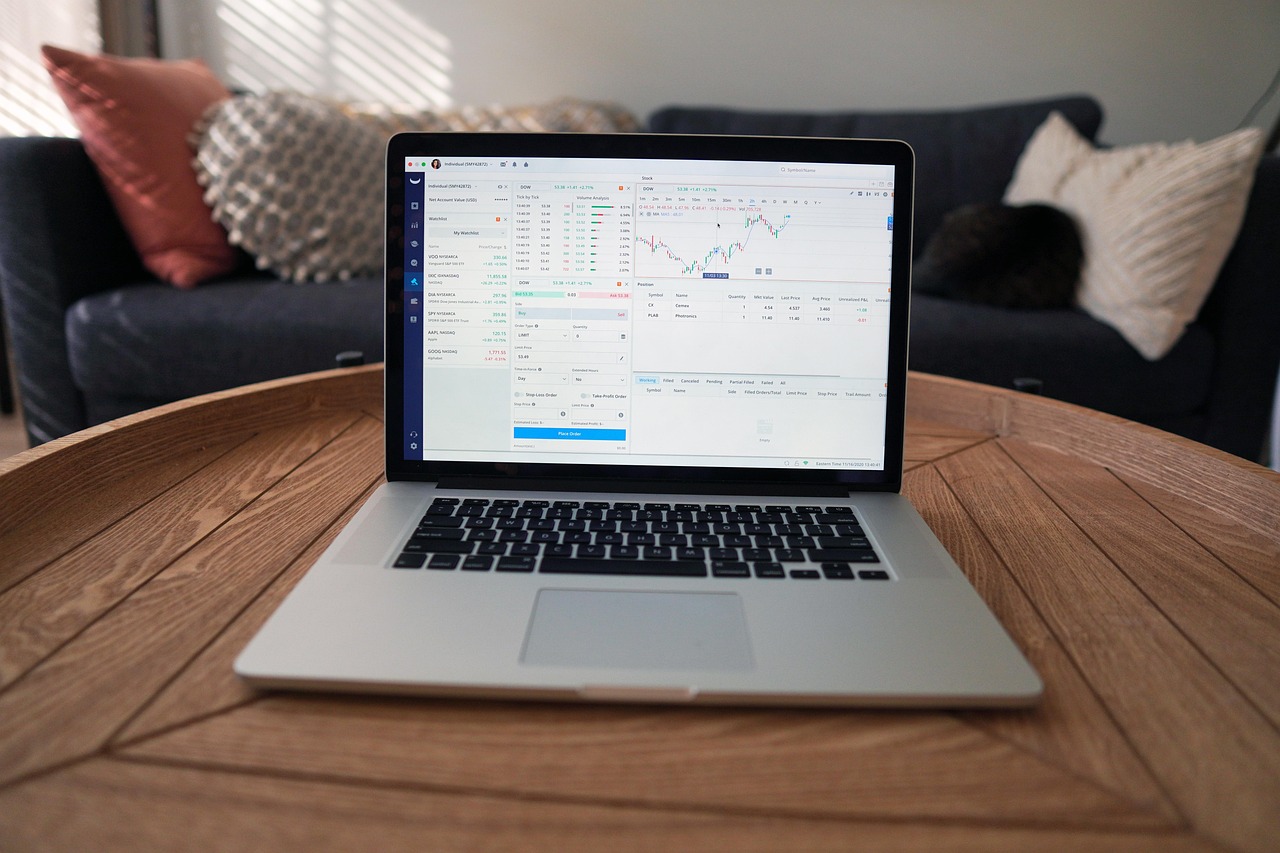
what is contract trading β€” What Is Contract Trading visual insight
What Is Contract Trading market insights.

Contract trading plays a significant role in the overall functioning of financial markets. It serves various purposes, including hedging, speculation, and price discovery.

Hedging is a risk management strategy where traders use contract trading to offset potential losses in their investment portfolios. For instance, a farmer might sell futures contracts on their crop to ensure a stable income, regardless of fluctuating market prices.

Speculation refers to the practice of buying and selling contracts in anticipation of future price movements to make a profit. Speculative trading is a significant component of contract trading, as traders seek to take advantage of price volatility in markets.

Price discovery is the process by which markets determine the value of an asset based on supply and demand dynamics. Contract trading contributes to this process by providing a platform for price negotiations, facilitating the efficient allocation of resources within markets.

Types of Contracts in Trading

In the realm of trading, various types of contracts are available, each serving a specific purpose. The most common types include:

1. Futures Contracts: Futures contracts are legally binding agreements to buy or sell an asset at a predetermined price on a specified future date. They are predominantly used in commodity trading, such as grains, metals, and energy products.

2. Options Contracts: Options contracts provide the buyer with the right, but not the obligation, to buy or sell an underlying asset at a specified price before a certain date. They are often used for hedging strategies and can offer traders flexibility in their trading decisions. Explore the latest What Is Contract Trading trends

what is contract trading β€” What Is Contract Trading visual insight
What Is Contract Trading key trends illustrated.

3. Contract for Differences (CFDs): A CFD is a contract that allows traders to speculate on the price movements of an asset without owning the underlying asset. When trading CFDs, the difference in the asset’s price from the opening to closing of the contract is settled in cash.

These different types of contracts yield varying levels of complexity, risk, and potential reward for traders.

Advantages of Contract Trading

Contract trading offers several advantages that attract both individual and institutional traders. One significant advantage is the potential for high returns due to leverage. Because traders can control larger positions with less capital, the opportunity for substantial profits exists.

Additionally, contract trading provides liquidity to markets. Traders can easily enter and exit positions, making it simpler to react to market changes. This liquidity is crucial in maintaining efficient market conditions.

Moreover, contract trading can facilitate diversification in an investment portfolio. By engaging in contract trading, traders can gain exposure to different asset classes without the necessity of owning the underlying assets directly.

Disadvantages of Contract Trading

Despite its advantages, contract trading also carries certain risks and disadvantages. The use of leverage is a double-edged sword; while it can amplify profits, it can also lead to significant losses. Traders can lose more than their initial investment if the market moves against them.

The complexity of contract trading can also be a barrier for some traders. Understanding the nuances of different contracts, margins, and leverage requires a substantial level of knowledge and experience in the financial markets. Deep dive into What Is Contract Trading research

what is contract trading β€” What Is Contract Trading visual insight
Overview of What Is Contract Trading developments.

Furthermore, not all trading platforms provide adequate risk management tools, which can expose traders to heightened risks. Thus, it is essential for traders to be aware of their own risk tolerance and to implement proper risk management practices.

How Contract Trading Works in Practice

The mechanics of contract trading involve several stages. First, traders need to choose a trading platform that offers access to the desired contracts. They can then create an account, deposit funds, and begin trading.

After selecting a contract, traders will analyze the market conditions to make informed decisions about entering or exiting positions. This analysis might involve technical indicators, fundamental analysis, or a combination of both.

Once a trader decides to enter a position, they must specify the contract size and leverage they wish to utilize. After placing the order, the contract enters the active trading phase, where it can be monitored for price movements.

As the market evolves, traders can decide to close their positions when they believe it is a favorable time to realize profits or mitigate losses. The conclusion of the contract can either result in a cash settlement or, as in the case of futures contracts, a delivery of the underlying asset.

Conclusion

In conclusion, contract trading is a multifaceted financial practice that involves engaging with derivative contracts. It is characterized by its capabilities for hedging, speculation, and price discovery. While it presents opportunities for traders to leverage their investments and achieve high returns, it also carries inherent risks that can lead to significant losses.

Understanding the nuances of contract trading is essential for anyone looking to participate in this dynamic market. By gaining a comprehensive grasp of the types of contracts available, as well as their advantages and disadvantages, traders can navigate the complexities of contract trading more effectively and make informed decisions.

Research suggests that effective risk management and a disciplined trading approach can enhance traders’ likelihood of success in contract trading. By equipping themselves with knowledge and tools, traders can harness the potential of contract trading to achieve their financial goals.

πŸ” Top Takeaways

  • Data-driven insights are improving long-term What Is Contract Trading strategies.
  • Cross-platform compatibility is increasing the practical value of What Is Contract Trading.
  • Continuous research highlights evolving What Is Contract Trading patterns.

What future developments may influence What Is Contract Trading?

Future developments around What Is Contract Trading may include automation, AI-driven insights and clearer regulatory guidelines.

How reliable is What Is Contract Trading during high market volatility?

What Is Contract Trading may become less reliable during extreme volatility, making confirmation from additional indicators important.

Who benefits most from using What Is Contract Trading?

What Is Contract Trading is especially beneficial for traders, analysts and investors who rely on structured market evaluation.

Continue reading
Written by: Sharon Brent
Crypto Day Trading Guide

Best Crypto Day Trading – The Best Crypto Day Trading: An…

No Comments

This article offers a clear and practical explanation of Best Crypto Day Trading, aimed at readers seeking reliable insights.

Updated December 2025 β€” latest Best Crypto Day Trading insights by Sharon Brent.

Introduction to Crypto Day Trading

Crypto day trading is a trading approach where individuals buy and sell cryptocurrencies within the same day. It is characterized by the execution of multiple trades and positions in the hopes of capitalizing on short-term market fluctuations. This method represents a distinct practice from longer-term investment strategies, focusing on making profits from the price volatility of digital assets.


πŸ“š Learn What Influences the Crypto Market


This content is published on roradigital.com.

The appeal of crypto day trading lies in its potential for quick returns and the ability to react to market conditions in real time. As cryptocurrencies continue to grow in popularity, understanding the dynamics of day trading becoming essential for those interested in this asset class.

Understanding Crypto Day Trading

Crypto day trading is defined as a strategy that involves opening and closing positions on cryptocurrencies throughout a trading day. Traders monitor market trends, price movements, and trading volumes to make informed decisions. This approach means that participants must be well-acquainted with various technical analysis tools, indicators, and market psychology to effectively execute their trades.

In the context of cryptocurrency, day trading can involve several different tactics, including scalping, momentum trading, and range trading. Each of these techniques refers to a specific methodology in which traders carry out their transactions, often requiring a keen understanding of market data and analytics.

Key Characteristics of Crypto Day Trading

One of the fundamental characteristics of crypto day trading is its time-sensitive nature. The term “day trading” itself indicates that all trades are typically completed within the same day. This requirement means traders are often glued to their screens, watching market fluctuations and making rapid decisions based on the latest data.

Another defining aspect is the selection of cryptocurrencies. While major digital currencies like Bitcoin and Ethereum often dominate trading platforms, day traders frequently engage with altcoins, which may present unique opportunities for short-term gains. The volatility of these assets can provide a fertile ground for traders to leverage price changes for profit.

The Role of Analysis in Crypto Day Trading

Learn more about Best Crypto Day Trading insights

best crypto day trading β€” Best Crypto Day Trading visual insight
Best Crypto Day Trading market insights.

Market analysis is critical in the realm of crypto day trading. This encompasses both technical and fundamental analysis.

Technical analysis refers to the examination of price charts, trading volume, and historical price patterns. Traders utilize various tools, such as moving averages, relative strength index (RSI), and Bollinger Bands, to identify trends or potential reversals. This analytical approach is vital, as it helps to forecast future price movements based on past data.

On the other hand, fundamental analysis involves evaluating the broader economic factors that might influence the market. This may include news releases, regulatory developments, or general sentiment in the cryptocurrency community. Understanding these elements can provide a trader with insights into the potential direction of price movements and can help in making data-driven decisions.

Tools and Resources for Crypto Day Traders

Successful crypto day trading requires access to various tools and resources. Trading platforms need to provide real-time data and charts, execute trades swiftly, and offer a user-friendly interface.

Additionally, many traders rely on news aggregators to stay updated with the latest developments in the cryptocurrency space. These resources assist in identifying trends that may not yet be reflected in price movements and are crucial for making timely trading decisions.

Moreover, some traders utilize algorithmic trading, which involves the use of computer programs that execute trades based on pre-defined criteria. This automation can enhance the efficiency of trading strategies and allows traders to absorb larger amounts of data, increasing the potential for profit.

Developing a Crypto Day Trading Plan

Explore the latest Best Crypto Day Trading trends

best crypto day trading β€” Best Crypto Day Trading visual insight
Best Crypto Day Trading key trends illustrated.

Establishing a comprehensive trading plan is vital in crypto day trading. This plan should clearly define the trader’s goals, risk tolerance, and the specific strategies to be implemented.

A well-structured plan refers to a combination of entry and exit points, position sizing, and stop-loss levels. By setting these parameters in advance, traders can minimize emotional decision-making during periods of volatility. This structured approach is critical for sustainability in the crypto market, as impulsive trades can lead to significant losses.

Risk management practices, such as diversifying assets or setting strict limits on the amount of capital invested in a single trade, are also integral to a day trading plan. These measures ensure that even in adverse conditions, a trader’s portfolio is not overly exposed to any single trade.

Common Mistakes in Crypto Day Trading

Navigating the complexities of crypto day trading is no easy feat, and traders often encounter several pitfalls. One mistake involves failing to adhere to a trading plan. Emotional trading, driven by fear or greed, is a common issue that can severely impact profitability.

Another prevalent mistake includes over-leveraging positions. While leveraging can amplify profits, it similarly increases the potential for losses. Hence, it is crucial for traders to understand the implications of their leverage choices and to manage their risks accordingly.

Failing to keep up with market developments can also lead to missed opportunities or significant losses. Given the rapid pace of change in the crypto space, staying informed about economic news, regulatory changes, and technological advancements is essential for effective day trading.

The Importance of Continuous Learning

Deep dive into Best Crypto Day Trading research

best crypto day trading β€” Best Crypto Day Trading visual insight
Overview of Best Crypto Day Trading developments.

Crypto day trading is not something one can master overnight. Continuous learning is essential for those looking to excel in this field. This means regularly engaging with educational resources, participating in trading communities, and keeping abreast of the latest trading techniques and technologies.

Many successful traders recommend keeping a trading journal. This tool helps traders reflect on their past trades, understand their successes and failures, and refine their strategies over time. A trading journal provides a record of decisions and their outcomes, fostering a disciplined approach to trading.

Conclusion

The best crypto day trading is defined as a dynamic and potentially lucrative approach to trading that demands a solid understanding of market movements, trading strategies, and risk management. It requires traders to maintain strict discipline, continuously analyze their performance, and adapt to evolving market conditions. Although the potential for profits is significant, so too are the challenges that come with such an active trading style.

As the cryptocurrency landscape continues to evolve, traders who remain informed and dedicated to improving their craft stand the best chance of success in this exciting but volatile market. Future trends in the crypto space will continue to provide new opportunities, making continuous education and prudent decision-making key components of a successful day trading approach.

Supporting research suggests that traders who effectively implement these principles are more likely to achieve sustainable success over time.

πŸ” Top Takeaways

  • Continuous research highlights evolving Best Crypto Day Trading patterns.
  • Regulatory clarity may accelerate innovation tied to Best Crypto Day Trading.
  • Investors are using AI analytics to enhance Best Crypto Day Trading decisions.

How does Best Crypto Day Trading help manage risk?

Best Crypto Day Trading helps manage risk by encouraging informed decisions and highlighting potential downside scenarios.

What are common misconceptions about Best Crypto Day Trading?

A common misconception is that Best Crypto Day Trading guarantees success, when it actually supports better decision-making.

When should Best Crypto Day Trading be avoided in crypto analysis?

Best Crypto Day Trading should be avoided when data quality is poor or market conditions are highly unpredictable.

Continue reading
Written by: Sharon Brent

Recent Posts

  • Best Qfs Wallet – Exploring the Best QFS Wallet for Your…
  • Crypto Wallet Hardware – Understanding Crypto Wallet Hard…
  • Bitcoin Halving Price Prediction – Understanding Bitcoin…
  • What Is Contract Trading: A Comprehensive Overview
  • Best Crypto Day Trading – The Best Crypto Day Trading: An…

Archives

  • December 2025

Categories

  • Best Crypto Investments
  • Bitcoin Price Forecasts
  • Bitcoin Trading and Investment
  • Coinbase Investment Insights
  • Crypto Day Trading Guide
  • Crypto Investment Insights
  • Crypto Market Trends
  • Crypto Trading and Investment Guides
  • Crypto Trading Insights
  • Cryptocurrency Wallets Guide
  • Online Stock Trading
  • Promising Altcoin Investments
  • Ripple Investment Guide
  • Trading and Investment Apps

Recent Posts

Best Qfs Wallet – Exploring the Best QFS Wallet for Your…

Best Qfs Wallet – Exploring the Best QFS Wallet for Your…

Crypto Wallet Hardware – Understanding Crypto Wallet Hard…

Crypto Wallet Hardware – Understanding Crypto Wallet Hard…

Bitcoin Halving Price Prediction – Understanding Bitcoin…

Bitcoin Halving Price Prediction – Understanding Bitcoin…

What Is Contract Trading: A Comprehensive Overview

What Is Contract Trading: A Comprehensive Overview

Best Crypto Day Trading – The Best Crypto Day Trading: An…

Best Crypto Day Trading – The Best Crypto Day Trading: An…

Β© Sharon Brent 2026

Designed by Ray Khan