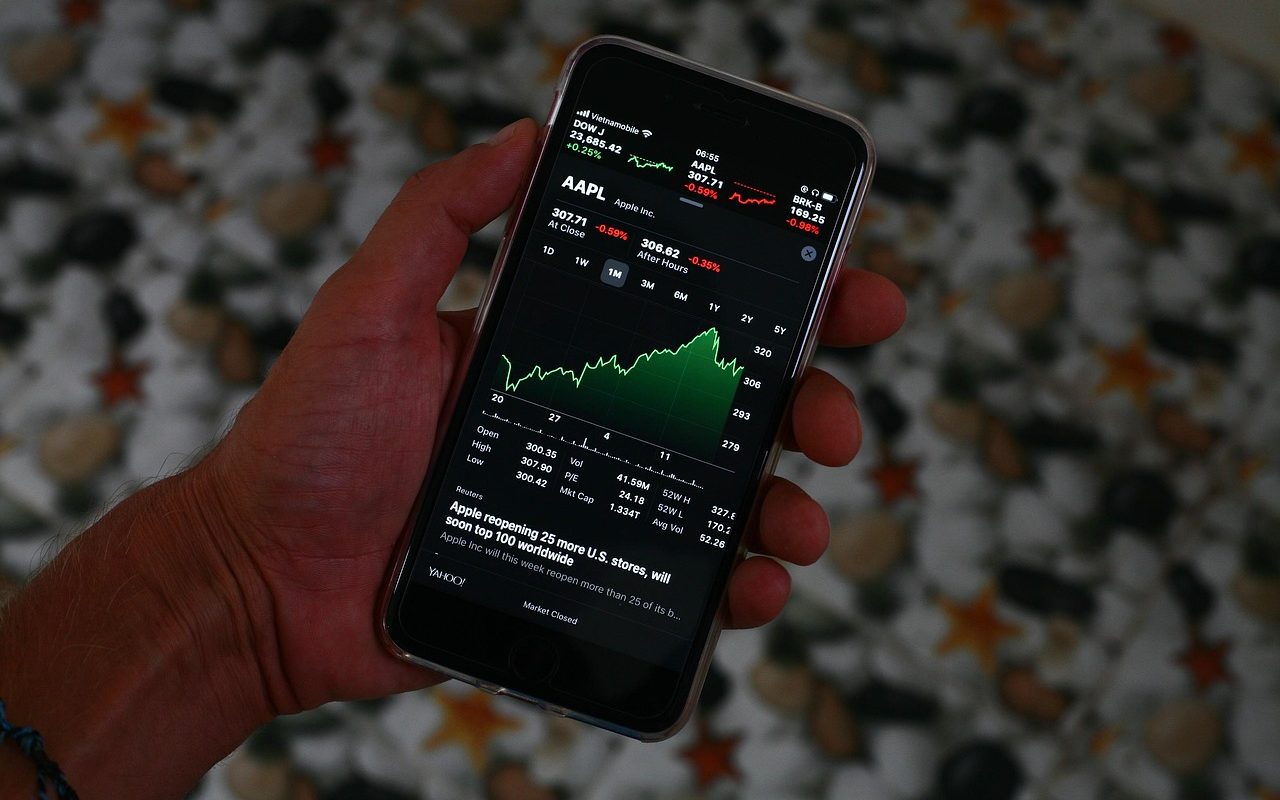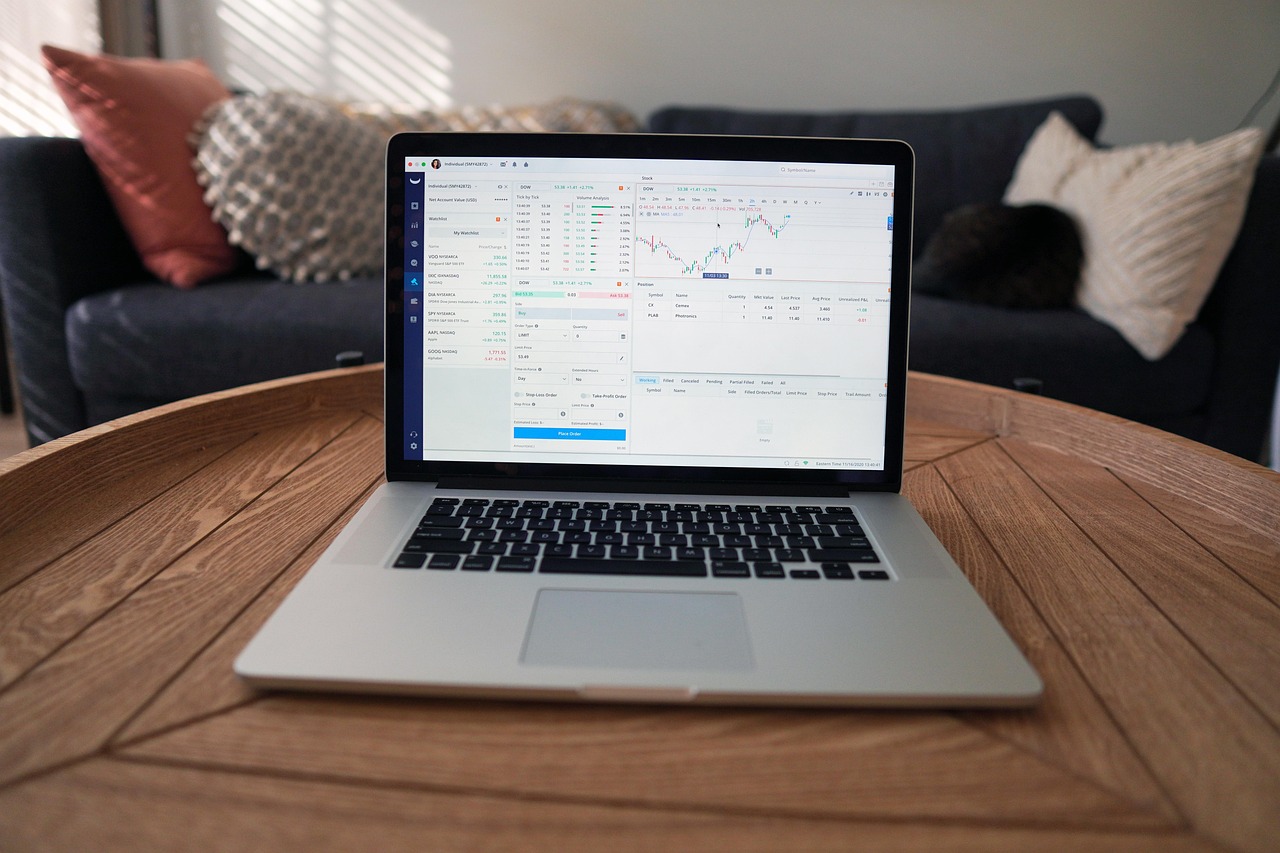
Sharon Brent explores the current landscape of Bitcoin investment, providing insights on its potential compared to traditional assets as of Thursday, January 22, 2026 at 04:02 AM.
Investing in bitcoin refers to the act of allocating capital into the cryptocurrency with the expectation of generating profit. Bitcoin, created in 2009, operates on a decentralized blockchain and has gained significant attention as a digital asset. Its volatility and growth potential attract both retail and institutional investors seeking to diversify their portfolios.
One primary reason individuals consider investing in bitcoin is its historical growth trajectory. Since its inception, bitcoin has experienced remarkable price increases. For example, the price of bitcoin rose from approximately $1,000 in January 2017 to over $60,000 in April 2021. This demonstrates the potential for high returns, driving many to view it as a speculative investment. Furthermore, the limited supply of bitcoin—capped at 21 million coins—creates an environment of scarcity, which many investors believe could lead to increased value over time.
Another factor influencing investment in bitcoin is its role as a hedge against inflation. In response to economic instability and expansive monetary policies, some investors turn to bitcoin as a means to preserve value. This perception as “digital gold” positions bitcoin favorably against traditional fiat currencies, which can be devalued through inflationary pressures. The current landscape of Bitcoin investment

| Comparison Criteria | Bitcoin Investment | Traditional Asset Investment |
|———————|——————–|——————————|
| Volatility | High | Moderate to Low |
| Historical Growth | Significant | Steady |
| Regulatory Status | Evolving | Established |
Investing in bitcoin is not suitable for everyone. Specific circumstances may lead potential investors to consider alternative options. For those who rely on stable income or require liquid cash for short-term needs, traditional investments such as bonds or savings accounts may be more appropriate.
Moreover, individuals with a low risk tolerance might find the extreme price fluctuations of bitcoin uncomfortable. For those preferring predictable dividends or interest over potential high returns, traditional stocks or real estate could be a better fit. Notably, real-world examples reveal that many investors experienced significant losses during market downturns, emphasizing the importance of evaluating one’s risk appetite before proceeding. Its historical growth trajectory

In practice, due diligence is crucial when investing in bitcoin. Investors should familiarize themselves with key concepts such as wallet types, exchange platforms, and security measures. Establishing a clear investment strategy, such as dollar-cost averaging, can help mitigate the impact of volatility.
Step-by-Step Investment Process:
1. Research and understand bitcoin and its market dynamics.
2. Choose a reputable exchange platform to buy bitcoin.
3. Opt for a secure wallet type (hot or cold) to store bitcoin.
4. Formulate a strategy (e.g., dollar-cost averaging).
5. Monitor investments and stay informed about market changes.
While bitcoin presents a compelling investment opportunity, it’s essential to consider the associated risks. Recent surveys indicate that 50% of retail investors express concerns over the security and regulatory environment surrounding cryptocurrencies. Potential investors should be aware of the evolving regulations affecting the market. Countries continue to develop frameworks to manage cryptocurrency, leading to uncertainty about how these changes might impact future investments. Insights on its potential compared to traditional assets

Additionally, the operational realities of bitcoin investments present their own risks. Network congestion can lead to slower transaction speeds, impacting the ease of trading and affecting buying decisions. Furthermore, security breaches at exchanges and the threat of hacking are significant concerns that require caution and proactive measures.
On a broader scale, market habits can be unpredictable. Bitcoin price movements are often influenced by public sentiment, news cycles, and regulatory announcements. As a result, market manipulations and speculative trading can create erratic price behavior, leading to unanticipated losses.
In the decision-making process, an in-depth comparison of investment options can guide potential investors toward suitable choices. While bitcoin’s allure lies in its high upside potential, considerations around stability, liquidity, and risk tolerance must be examined against traditional investment avenues.
In conclusion, investing in bitcoin can be rewarding but is accompanied by significant risks and uncertainties. Investors should approach this asset class with a comprehensive understanding of both its potential and pitfalls. As circumstances vary widely among individual investors, due diligence and strategic planning are paramount to navigating the intricacies of bitcoin investments. The decision should ultimately reflect one’s financial goals, investment horizon, and overall risk profile.
Key Takeaways
- Investing in Bitcoin has historically led to high volatility compared to traditional assets like stocks and bonds, which can result in significant gains or losses.
- Bitcoin's finite supply of 21 million coins contrasts with inflationary fiat currencies, making it an appealing hedge for some investors against currency debasement.
- The regulatory landscape surrounding Bitcoin can vary significantly by jurisdiction, affecting its perceived legitimacy and potential as a long-term investment vehicle.
What does it mean to invest in digital currency like Bitcoin?
Investing in digital currency refers to purchasing Bitcoin or other cryptocurrencies with the expectation that their value will increase over time. Unlike traditional assets, cryptocurrencies are decentralized and traded on blockchain technology, which can provide anonymity but also leads to challenges in regulation and security. However, this introduces tradeoffs that must be evaluated based on cost, complexity, or network conditions.
How is Bitcoin typically used in investment portfolios?
Bitcoin is often included in investment portfolios as a hedge against inflation and a way to diversify exposure to traditional markets. However, its high volatility can lead to significant fluctuations in portfolio value, making it essential for investors to evaluate their risk tolerance.
What factors should someone consider before investing in Bitcoin?
Investors should evaluate their financial goals, risk appetite, and the regulatory environment surrounding cryptocurrency in their country. Importantly, strategies for long-term holding versus short-term trading can significantly influence decision-making based on individual circumstances and market conditions. However, this introduces tradeoffs that must be evaluated based on cost, complexity, or network conditions.