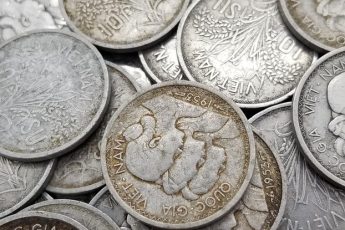
Understanding the value of international coins in the global marketplace
Sharon Brent reported on Wednesday, February 11, 2026 at 11:37 AM that recent market analyses highlight varying shifts in the value of international coins, prompting collectors to reevaluate their holdings.
The value of international coins can vary significantly based on factors such as rarity, demand, historical significance, and the current state of the market. For collectors, certain coins may hold higher value due to their unique characteristics, while investors might prioritize coins with stable market performance. Evaluating the worth of various international coins requires consideration of these aspects, enabling different user profiles to make informed decisions based on their specific interests and objectives.
How the Options Differ
- The value of international coins can vary significantly based on factors such as rarity, demand, and market stability, making some options more suitable for collectors than for casual investors.
- Some international coins may not appeal to users who prioritize liquidity, as their value can fluctuate based on economic conditions in their respective countries.
- Common points of hesitation often stem from the complexities of understanding foreign markets and the authenticity of coins, which can deter potential buyers.
- Performance characteristics of international coins, such as historical appreciation rates and market volatility, differ widely, requiring users to consider their investment objectives.
- Risks associated with investing in international coins, including potential loss of value and regulatory changes, can vary based on the coin's origin and the investor's familiarity with that market.
Assessing International Coin Values for Collectors and Investors
The comparison of the value of international coins is crucial for collectors, investors, and enthusiasts seeking to enhance their understanding of the numismatic world. This examination helps individuals assess why certain coins carry more value than others, guiding them in their decision-making processes when acquiring or trading coins.
When evaluating international coins, the objective typically centers around understanding their market value, historical significance, and intrinsic characteristics. Many potential buyers may face hesitations such as fluctuating exchange rates, varying demand, and the authenticity of coins. These concerns are fundamental in determining whether a specific coin represents a good investment. The recent market trends affecting coin valuations.
A side-by-side comparison of different international coins reveals various factors influencing their value. For instance, consider the comparison between popular coins like the American Eagle and the Canadian Maple Leaf. The American Eagle is lauded for its strong market presence and reliability, often commanding higher prices due to its established demand in the United States.
Each of these coins presents unique risks. The American Eagle, while popular, may face greater susceptibility to market fluctuations in the U.S. economic landscape, whereas the Canadian Maple Leaf might appeal more to collectors outside of the United States, mitigating some risk associated with market volatility.
Comparative Analysis of American Eagle and Canadian Maple Leaf Coins
The factors influencing the value of international coins.
| Scaling limitations | Resulting tradeoffs | Capital-protection seekers | Risk-reduction approaches |
|---|---|---|---|
| Limited historical data may obscure true value | Potential for overvaluation or undervaluation | May find international coins too volatile | Use recommended guidelines for assessing value |
| Currency fluctuations can impact perceived worth | Inaccurate comparisons across different times | Risk of significant loss without proper strategy | Hedging options against currency risks |
| Accessibility barriers in different markets | Difficulty in acquiring coins accurately | May face issues if not familiar with local markets | Prioritize markets/groups with established exchanges |
| Lack of standardization in grading conditions | Inconsistencies in perceived value across collectors | Unsuitable for investors requiring predictable returns | Research reputable valuation methods |
| Cultural factors influencing perceived worth | May not align with investment strategies or goals | Could be negative for risk-averse individuals | Consider diversification in international coins |
Moreover, cost plays a vital role in this evaluation. The American Eagle can often be procured at a premium, reflecting its widespread recognition. In contrast, the Canadian Maple Leaf generally has lower premiums due to its direct association with silver and gold markets, possibly making it a more budget-friendly option.
Assessing usability is another important criterion in this comparison. For newcomers to coin collecting or investing, the well-documented market performance and branding of the American Eagle can provide reassurance. On the other hand, collectors seeking uniqueness may find the distinctive features of the Canadian Maple Leaf more appealing, offering a different type of value beyond mere investment potential. The importance of understanding coin market dynamics.
Evaluating the potential risks associated with these coins helps to clarify differences further. The American Eagle comes with a historical weight in the U.S. market, providing a certain assurance, while the Canadian Maple Leaf represents a strong option for diversifying investments without the volatility often seen in other collectibles.
Performance characteristics are also significant when assessing the value of international coins. The American Eagle has a record of stable appreciation over decades, which has cemented its reputation among investors. Alternatively, the Canadian Maple Leaf has demonstrated strong resilience in different economic contexts, attracting a diverse array of collectors and investors alike.
Comparing Suitability and Performance of Gold Coins
How varying characteristics impact coin worth?
| Speed vs. payoff balance | Uncertainty tolerance required | Process complexity | Contextual suitability limits |
|---|---|---|---|
| Quick transactions often yield lesser profit | High tolerance needed for volatile markets | Research and enlist an expert to evaluate coin value | Not ideal for casual investors unfamiliar with international markets |
| In-depth comparisons can delay decision-making | Risk of loss increases with timing errors | Requires knowledge of multiple currencies | Less suitable for users seeking immediate liquidity |
| Fast-tracking acquisitions may overlook quality | Users must navigate constantly changing values | Educating oneself on grading systems necessary | Beginners may find assessment criteria daunting |
| Rapid price changes can mislead valuation | Tolerance for loss is essential when investing | Complexity in tracking multiple currencies adds burden | Limited appeal to those focused on local investment opportunities |
| Quick flips may exclude longer-term gains | Must be comfortable with inherent market volatility | Finding sellers and buyers can be complicated | Not suitable for users looking for stable assets |
The assessment of the worth of international coins is not suitable for individuals seeking quick cash liquidity or immediate transactional capabilities, as such evaluations often require extensive research and fluctuating market conditions that can delay returns. Additionally, collectors or investors with niche interests may find that the broad analysis lacks specific insights into rare or locally significant coins, necessitating alternative expertise or resources. Furthermore, those with limited knowledge of numismatics or currency markets should avoid relying solely on generalized comparisons, as they may overlook critical nuances that affect valuation.
Different audiences may find one option more suitable over the other. Individuals focused on long-term investment stability may gravitate toward the American Eagle, while those interested in unique designs might favor the Canadian Maple Leaf. Identifying the target demographic can streamline the choice process, ensuring that potential buyers focus on the option that aligns with their specific goals. The criteria for assessing coin values effectively.
Recognizing potential misfits can further refine choices. Less experienced collectors might experience confusion related to the various value assessments of coins like the American Eagle, which has a more complex price structure due to its robust market history. Conversely, the straightforward nature of the Canadian Maple Leaf’s value proposition — tied closely to metal content — may appeal to those looking for simpler, tangible investments.
Addressing points of hesitation is crucial for making informed decisions. Concerns about market manipulation or the possibility of counterfeit coins often arise during the comparison process. Being knowledgeable about the certificates of authenticity and market demands helps to alleviate these fears, making the selection process smoother. The significance of informed decisionmaking in coin trading.
In summary, a comprehensive comparison of the value of international coins highlights the distinctive qualities that set them apart in the marketplace. Understanding cost differences, usability, performance, and risks equips enthusiasts and investors to make informed choices. Whether opting for the historical reliability of the American Eagle or the distinctive appeal of the Canadian Maple Leaf, the decision ultimately hinges on aligning personal goals with the respective features of these valuable coins.
How Options Compare
What is meant by the value associated with coins from different countries?
The worth of international coins typically refers to their currency exchange rates and the economic stability of the issuing country. This value can fluctuate based on market conditions, political stability, and inflation rates, making it crucial for collectors or travelers to monitor these factors. However, this introduces tradeoffs that must be evaluated based on cost, complexity, or network conditions.
How can someone utilize foreign coins in everyday transactions?
Foreign coins can be exchanged at banks or currency exchange offices, often at a rate that reflects current market conditions. However, fees and lower rates might apply, which can reduce the overall value received when compared to direct use of the local currency.
What are the risks involved in collecting international coins?
Collecting coins from abroad can present risks such as counterfeit coins and variable market values that can affect resale potential. Additionally, niche markets might be limited, making it difficult to liquidate certain coins without incurring losses. However, this introduces tradeoffs that must be evaluated based on cost, complexity, or network conditions.