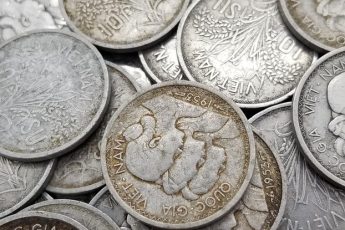
What are silver half dollars worth
Sharon Brent's analysis of silver half dollars worth has been revised as of Thursday, January 22, 2026 at 05:57 AM to reflect the latest market trends and valuation assessments.
Silver half dollars are sought after by both collectors and investors. These coins typically were minted from 1964 and earlier and consist of 90% silver. Their value is influenced by the current market price of silver, numismatic factors, and their specific date and condition.
Silver half dollars include several notable coin types: the Walking Liberty, Franklin, and Kennedy half dollars. The Walking Liberty half dollar, minted from 1916 to 1947, is particularly desirable among collectors for its artistic design. The Franklin half dollar, produced from 1948 to 1963, features a depiction of Founding Father Benjamin Franklin. The Kennedy half dollar debuted in 1964 and remains iconic.
The primary factors that determine their worth include silver content, collector demand, and rarity. The spot price of silver fluctuates daily, affecting the intrinsic value of these coins. As of recent audits, the silver content alone gives half dollars a base value of about $9 per coin, excluding numismatic premiums. The latest market trends
Images usually accompany articles to enhance understanding. This image illustrates silver half dollars in various conditions.
Assessment of condition is conducted through a grading scale from Poor (P-1) to Mint State (MS-70), significantly impacting market value. Coins in higher grades command higher prices. The collection’s demand also affects values, with certain years having limited mintages or special errors being vastly more valuable than others.
The tradeoffs in investing in silver half dollars should be noted. First, while these coins can be a hedge against inflation, they are not the most liquid investment compared to stocks or bonds. They may not provide immediate cash flow. Second, the value is subject to fluctuations in silver prices and market demand, which can make worth assessment unpredictable. Lastly, storage and insurance must be considered as part of ongoing costs for collectors.
How to Assess Silver Half Dollar Value
1. Check the Current Spot Price of Silver.
2. Identify the Coin Type (Walking Liberty, Franklin, Kennedy).
3. Evaluate Coin Condition Using a Grading Scale.
4. Research Recent Sales of Similar Coins for Market Comparisons.
5. Consider Added Collectible Value for Rare Coins or Errors. Notable coin types

| Coin Type | Average Silver Value | Estimated Premium |
|——————–|———————|——————-|
| Walking Liberty | $18 – $28 | $30 – $500 |
| Franklin | $12 – $20 | $10 – $300 |
| Kennedy (Pre-1970) | $11 – $18 | $5 – $50 |
For practical valuation, measure the coin’s silver content against the current silver market. As seen in market trends and industry audits, minting years and conditions can lead to price variances. In practice, well-preserved coins from specific years often lead to greater collector interest and elevated values.
Inevitably, understanding the coin’s historical significance and market demand solidifies a collector’s groundwork. Engage with reputable coin dealers or reference industry publications to grasp current market dynamics. Specific date and condition

Verifying the coin’s authenticity can eliminate fraud risks and align assessments with expert standards. Many collectors choose third-party grading services to receive professional evaluations and certifications ensuring sales integrity.
The value of silver half dollars intertwines their material worth and collectible premium. As of recent industry assessments, certain coins can yield returns 10 to 30 times their base silver value, according to relevant market fluctuations. Knowledge, timing, and condition evaluation are pivotal matters in this collectible landscape, offering a multifaceted journey into numismatics.
Key Takeaways
- The value of silver half dollars largely depends on their condition, rarity, and the current market price of silver.
- Date and mint mark play a significant role in determining a silver half dollar's value, with certain years commanding higher premiums.
- As of recent assessments, most silver half dollars issued before 1970 are valued based on their melt value, typically around $10 to $15, but collectible examples can exceed this range significantly.
What factors determine the market value of a silver half dollar?
The value of a silver half dollar is influenced by factors such as its silver content, condition, rarity, and current precious metal prices. For example, a 1964 Kennedy half dollar contains 90% silver, which can significantly impact its worth compared to a more common quarter with less silver content. However, this introduces tradeoffs that must be evaluated based on cost, complexity, or network conditions.
How can I sell my silver half dollars?
Silver half dollars can be sold to coin dealers, at coin shows, or through online auction platforms. However, selling through a dealer might yield lower prices due to their markup, while online sales involve shipping risks and potential fees.
What should I be aware of when investing in silver half dollars?
Investing in silver half dollars carries risks such as fluctuating silver prices and the potential for counterfeits in the market. Additionally, the resale value may be lower than expected if the coins are not in mint condition or are less sought after by collectors. However, this introduces tradeoffs that must be evaluated based on cost, complexity, or network conditions.