Sharon Brent -
  • Sharon Brent
Browsing Category
Archive
Bitcoin Price Forecasts

A Comprehensive Comparison of Metaverse Price Predictions

Jan 21 No Comments

Sharon Brent provides an analysis comparing recent metaverse price predictions as of Wednesday, January 21, 2026 at 08:10 PM.

Metaverse price predictions vary significantly across different platforms and projects, with some analysts forecasting substantial growth due to increased investment and user engagement, while others highlight potential market volatility and the influence of regulatory developments. Key factors influencing price trends include technological advancements, user adoption rates, and overall cryptocurrency market performance. Comparing various metaverse projects reveals distinct characteristics that may impact their future valuations, making it essential to assess each on individual fundamentals and market dynamics.

The metaverse represents an emerging digital landscape where virtual realities converge. With the growing integration of technologies like blockchain, augmented reality, and virtual reality, understanding the price trajectory of assets tied to this space has become a focal interest for investors. Metaverse price predictions provide insights into potential investment opportunities in this nascent market.


🧠 Smarter Crypto Decisions Start Here


This content is published on roradigital.com.

Several factors influence metaverse price predictions. These include user engagement metrics, advancements in technology, and underlying blockchain infrastructure. As more companies invest in virtual experiences, the demand for metaverse-related assets is expected to rise. This demand may correlate positively with price increases due to scarcity of quality assets in the metaverse.

Technological advancements significantly impact price dynamics in the metaverse. For example, improvements in hardware capabilities and network speeds can enhance user experience, leading to increased adoption. Additionally, the evolution of decentralized finance (DeFi) and non-fungible tokens (NFTs) as they pertain to virtual real estate and digital goods provides further pricing pressure. The overall sentiment in the cryptocurrency market coupled with economic factors also plays a role, as wider market conditions affect investor confidence. Sharon Brent provides an analysis

Illustrative visual related to metaverse price prediction
This illustration highlights the interplay of perspectives in envisioning future possibilities and predictions.

Understanding the potential price movements in the metaverse requires meticulous analysis of historical data and current trends. Some predictions rely heavily on algorithmic modeling, which takes into account fluctuations in user interest and financial behaviors within these virtual environments. In practice, informed investors consider such analysis along with market sentiment to gauge potential price changes.

The tradeoff in focusing solely on metaverse price predictions lies in their speculative nature. Investors should be aware that price predictions can be influenced by market trends that are often erratic and unpredictable. Moreover, if a user is risk-averse or prefers investments with more historically established performance, alternatives like traditional asset classes or established cryptocurrencies may be preferable. In addition, the propensity for bubbles in emerging markets may cause transient price spikes uninformed by underlying value.

Understanding the implications of regulation is crucial as well. Regulatory developments may introduce uncertainties that can impact expectation frameworks. Observing shifts in governmental policies regarding blockchain or virtual currencies can lead to unexpected price adjustments in metaverse-related investments. Several factors influence metaverse price

Illustrative visual related to metaverse price prediction
This illustration highlights the evolving landscapes of digital experiences and their potential value trajectories.

One key consideration is the potential volatility in the asset classes associated with the metaverse. As many platforms are still developing, their long-term viability remains uncertain. Furthermore, price predictions are not always representative of a clear consensus; different analysts may employ varied methodologies that lead to divergent outcomes.

Factors Influencing Metaverse Prices

1. User Engagement: Higher engagement rates often drive prices upward as demand for digital experiences increases.
2. Technological Integration: Enhancements in technology (e.g., VR advancements) foster more immersive experiences.
3. Market Sentiment: Broader cryptocurrency market trends can significantly impact investor confidence in metaverse assets.

Metrics for Evaluating Price Predictions

| Metric | Significance | Measurement Method |
|—————————-|——————————————|——————————|
| User Acquisition Rates | Indicates growth in platform popularity | Analytics tools and reports |
| Transaction Volume | Guides liquidity assessments | Blockchain data analysis |
| Price Volatility | Determines risk profiles | Historical price charts | Understanding the price trajectory of
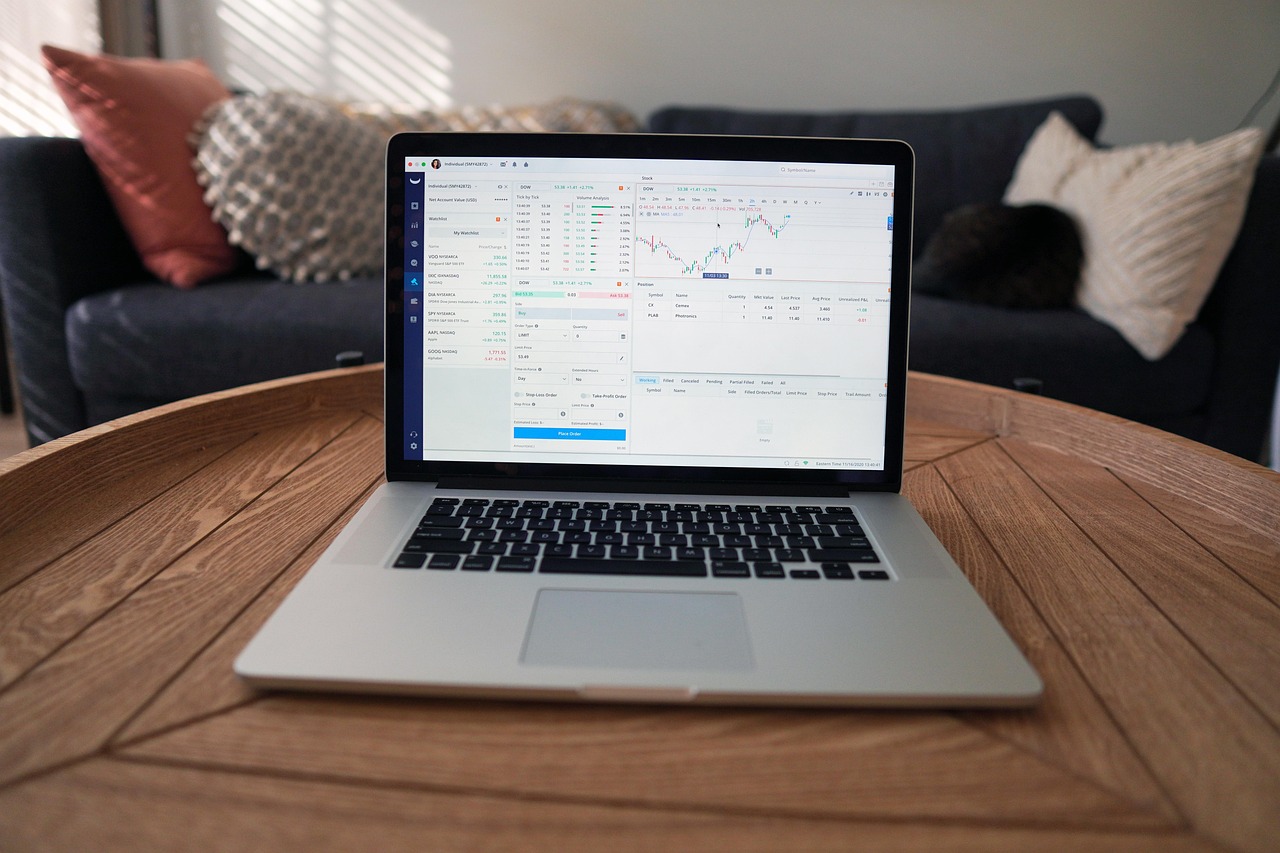
Illustrative visual related to metaverse price prediction
This illustration highlights the evolving nature of perception and value as we navigate the complexities of emerging digital landscapes.

Investors examining metaverse price predictions should consider multiple sources and methodologies to form a holistic view. Price forecasts could serve as a useful guideline; however, having a diverse investment strategy that includes risk management practices is essential. Markets may shift with technological advancements or regulatory news, thereby necessitating a nimble investment posture.

The volatility connected to metaverse assets requires continual market monitoring. Real-time analytics can aid in making informed decisions, helping investors to navigate the price forecasting landscape effectively. Reliance on algorithmic models, while valuable, should be balanced with qualitative assessments of market conditions and consumer behaviors.

When entering the metaverse space, it is crucial to establish clear goals and understand your risk tolerance. As interest grows, the number of platforms and assets available to investors increases, yet not all are equally viable or secure. Evaluating each opportunity’s fundamentals will serve as a guiding principle for making sound investment decisions.

In conclusion, understanding metaverse price predictions involves assessing a multifaceted landscape characterized by rapid changes and inherent risks. Investors must remain vigilant and informed while balancing potential rewards against uncertainties. By implementing a robust evaluation framework, individuals can enhance their ability to navigate this complex market effectively.

Key Takeaways

  • Metaverse price predictions vary widely among analysts, with some expecting significant growth driven by increased adoption, while others foresee a downturn due to market volatility.
  • Established cryptocurrencies used in metaverse platforms, like Decentraland's MANA and The Sandbox's SAND, show price patterns influenced by overall crypto market trends, impacting their metaverse valuations.
  • The integration of virtual reality and augmented reality technologies in the metaverse is projected to influence long-term pricing models, as their effectiveness could enhance user engagement and platform sustainability.

What does it mean to predict prices in virtual environments?
Price prediction in virtual environments involves analyzing historic price trends, trading volume, and market sentiment to estimate future values of virtual assets and currencies. This process can be influenced by factors such as user adoption and technological changes, which are often unpredictable, leading to potential inaccuracies in forecasts. However, this introduces tradeoffs that must be evaluated based on cost, complexity, or network conditions.


How can price predictions be utilized in virtual economies?
Users and investors leverage price predictions to make informed decisions about buying, selling, or holding virtual assets within the metaverse. These predictions can guide investment strategies, but they are dependent on real-time data analytics and market behavior, which can be volatile. However, this introduces tradeoffs that must be evaluated based on cost, complexity, or network conditions.

How do virtual asset price predictions compare to traditional investment forecasts?
Price predictions in the metaverse are usually more volatile due to the nascent nature of these markets, whereas traditional investments often have more established historical data for analysis. Moreover, the smaller market sizes and user bases in virtual environments can lead to rapid price fluctuations that are less common in more mature markets. However, this introduces tradeoffs that must be evaluated based on cost, complexity, or network conditions.

Continue reading
Written by: Sharon Brent
Trading and Investment Apps

Understanding Bitcoin App Games for Your Investment Strategy

No Comments

Sharon Brent provides an analysis of the evolving landscape of bitcoin app games as of Wednesday, January 21, 2026 at 07:25 PM.

Bitcoin app games are mobile or online games that incorporate bitcoin as a form of in-game currency or reward system. Players can earn or spend bitcoin while engaging in various game mechanics, such as puzzles, strategy, or casual gameplay. These games often utilize blockchain technology to ensure transparency and security in transactions, attracting both gamers and cryptocurrency enthusiasts.

Bitcoin app games are interactive platforms that integrate gaming experiences with Bitcoin transactions. These apps often allow users to earn Bitcoin through gameplay, combining entertainment with financial incentives. Typically, they function by rewarding players in Bitcoin for completing tasks, participating in competitions, or achieving specific objectives within the game.


🏆 Trusted Market Insights for Every Trader


This content is published on roradigital.com.

The mechanics behind Bitcoin app games are rooted in the premise of gamification. This approach means that elements of game design are applied to non-game contexts, including finance. Players complete missions, solve puzzles, or engage in competitions with the option to convert their in-game achievements into Bitcoin.

Bitcoin app games work by connecting a user’s gaming achievements to a Bitcoin wallet. Players usually have to set up a wallet where their earnings can be stored. After earning Bitcoin through gameplay, users can either withdraw their funds or reinvest them back into the gaming ecosystem for further engagement. Platforms that integrate gaming

Illustrative visual related to bitcoin app games
This image illustrates the intersection of entertainment and innovation, showcasing the dynamic engagement possibilities within digital landscapes.

This image illustrates the concept of earning Bitcoin through interactive gaming experiences within app platforms.

The appeal of Bitcoin app games lies in the dual benefit of gaming enjoyment and potential financial gain. Unlike traditional gaming environments, these apps present a tangible monetary reward that can be directly measured and withdrawn. Many players are drawn not only to the gaming aspect but also to the possibility of engaging with the cryptocurrency market in a low-risk, informal manner.

However, there are some tradeoffs to consider when exploring Bitcoin app games. They are not ideal for users seeking serious investment strategies, as their purpose leans more toward entertainment rather than robust financial growth. Additionally, Bitcoin app games may expose players to risks such as volatile in-game economies and potential scams, which can undermine the benefits expected from Bitcoin earnings. Players should also be aware that while several games promise Bitcoin rewards, the actual payout can often fall short of expectations due to factors like transaction fees and payout delays. Combining entertainment with financial

Illustrative visual related to bitcoin app games
This illustration represents abstract ideas related to bitcoin app games.

Moreover, the gaming experience may not translate to significant financial returns. In practice, a large percentage of players earn minimal Bitcoin, particularly if they invest little time or effort in the gameplay. According to industry audits, only around 15% of players in Bitcoin app games earn more than $5 worth of Bitcoin in a month. Safety concerns regarding game legitimacy mean users must be vigilant and conduct thorough research before committing to any given platform.

Numbered Process List

1. Research various Bitcoin app games based on user reviews and expert opinions.
2. Select a game that aligns with your interests and risk profile.
3. Create or link a compatible Bitcoin wallet for transactions.
4. Download the app from a verified source to ensure security.
5. Start playing the game, following any introductory tutorials provided.
6. Monitor your Bitcoin earnings and any associated transaction costs.
7. Decide whether to withdraw your Bitcoin or reinvest it within the game.

| Factor | Consideration | Impact |
|———————–|————————————|—————————–|
| Withdrawal Fees | Varies by app | Can reduce net earnings |
| Game Longevity | Duration of developer support | Affects earning potential |
| Crypto Volatility | Fluctuates daily | Impacts realized value |

Verification checks are crucial when participating in Bitcoin app games. Players should routinely review their transactions, confirm the legitimacy of the app, and stay informed on market conditions. An informed user is less likely to fall victim to common mistakes associated with gameplay and cryptocurrency transactions. Combining entertainment with financial

Illustrative visual related to bitcoin app games
This visual represents the fusion of technology and engagement, exploring innovative paths to interactive experiences.

Cost expectations vary widely among different apps. While some are free to play, others might have associated costs for top-tier gameplay or premium features. Understanding the financial commitment required can help stabilize expectations and ensure prudent investment of time and resources.

Overall, if you are considering joining the world of Bitcoin app games, it’s essential to assess your readiness, clarify the rules, and prepare for the unique challenges that may arise. A proper readiness assessment will help ensure that your engagement with these games is both enjoyable and potentially profitable.

Execution readiness depends on your mindset towards both gaming and cryptocurrency. By embracing the fun aspect of gaming while remaining vigilant about financial outcomes, players can leverage these platforms to engage with Bitcoin dynamically.

How can players effectively use bitcoin games to earn cryptocurrency?
Players can earn cryptocurrency by participating in games that reward them with bitcoin for achieving certain milestones or winning. However, the actual payout can vary significantly based on game type, player skill, and the volatility of bitcoin's value, potentially limiting earnings and causing fluctuations in actual profit.

What risks should users consider when playing games that use bitcoin?
One major risk is the potential for significant financial loss due to the high volatility associated with cryptocurrencies like bitcoin. Additionally, these games can be susceptible to hacking or fraud, and users may also face the risk of regulatory changes that might affect the legality or operation of such games. However, this introduces tradeoffs that must be evaluated based on cost, complexity, or network conditions.

How do bitcoin app games compare to traditional online gaming platforms?
Bitcoin app games often incorporate direct cryptocurrency transactions, which can offer unique financial incentives compared to traditional online games that rely purely on cash or in-game currencies. However, the integration of cryptocurrency can introduce complexities such as market volatility and lower player demographics focused on crypto.

Continue reading
Written by: Sharon Brent
Crypto Day Trading Guide

Understanding AI Crypto Trading for Efficient Strategies and Execution

No Comments

Reviewed by Sharon Brent on January 21, 2026 at 04:48 PM. Recent expert reviews have highlighted the evolving methodologies used in AI crypto trading strategies to enhance market analysis and decision-making.

Crypto trading involves the buying and selling of cryptocurrency assets with the aim of making a profit. Traders analyze market trends, leverage technology to execute trades, and employ various strategies to capitalize on price fluctuations. Effective preparation includes understanding market dynamics, familiarizing oneself with trading platforms, and managing risk appropriately.

AI crypto trading refers to the use of artificial intelligence technologies to enhance trading strategies in the cryptocurrency market. AI systems analyze vast amounts of market data in real-time, allowing traders to identify patterns, trends, and potential trading opportunities faster and more accurately than traditional methods. These systems utilize machine learning algorithms, predictive analytics, and natural language processing to generate insights that inform trading decisions.


🏆 Trusted Market Insights for Every Trader


This content is published on roradigital.com.

AI crypto trading works by combining data from various sources, including historical prices, trading volumes, and market sentiment. This comprehensive analysis helps to inform buy and sell signals, minimizing manual oversight and potentially increasing profitability. Additionally, these algorithms can adapt to market changes, optimizing trading strategies dynamically based on real-time information.

As cryptocurrency markets are inherently volatile, AI crypto trading offers traders the ability to react quickly to price fluctuations. Automated trading bots can execute trades instantly, capitalizing on opportunities that arise within milliseconds. This speed is critical in a market where prices can change rapidly and where time-sensitive decisions can make a significant difference in profitability. Evolving methodologies in trading strategies

Illustrative visual related to ai crypto trading
An abstraction of AI's role in crypto trading, illustrating the integration of advanced algorithms in market analysis and decision-making.

Despite the advantages offered by AI in crypto trading, it is crucial to understand its limitations. AI algorithms rely heavily on historical data, which may not always predict future performance accurately, especially in times of market stress or unexpected events. Furthermore, traders relying solely on AI-generated strategies may miss foundational aspects of market analysis, such as macroeconomic influences or regulatory changes.

Additionally, the costs involved in implementing AI trading solutions can be significant, particularly for small-scale traders. The complexity of building and maintaining these systems might also introduce failure points if not managed correctly, such as overfitting models or misinterpreting signals.

The tradeoff between human insight and automated efficiency can also be significant. In practice, while AI can monitor and execute trading strategies with remarkable precision, reliance exclusively on these systems can limit the trader’s ability to adapt to subtle market nuances informed by human experience. Keeping abreast of the market dynamics and employing a balanced approach between AI tools and personal judgment often yields better outcomes. Analyze vast amounts of market data

Illustrative visual related to ai crypto trading
This image conceptualizes the integration of artificial intelligence in cryptocurrency trading strategies, emphasizing enhanced market analysis and decision-making.

To effectively engage in AI crypto trading, consider the following process:

1. Understand market dynamics and choose a reliable AI trading platform.
2. Define trading objectives clearly, including risk tolerance and expected returns.
3. Set up the AI model by inputting relevant historical data and defining parameters.
4. Backtest the strategy against historical data to validate its effectiveness.
5. Implement the AI solution in a paper trading environment to assess live performance.
6. Monitor and adjust the strategy based on real-time results and market conditions.
7. Perform ongoing evaluations to improve algorithms and respond to market changes.

| Step | Description | Importance |
|——|————-|————|
| 1 | Understand market dynamics | Essential for informed decision-making |
| 2 | Define objectives | Aligns strategy with personal goals |
| 3 | Set up the AI model | Critical for accurate output |
| 4 | Backtest the strategy | Validates effectiveness before real trades |
| 5 | Implement in paper trading | Tests performance without financial risks |
| 6 | Monitor and adjust | Adapts to real-time market conditions |
| 7 | Perform evaluations | Ensures ongoing strategy improvement | Generate insights that inform trading

Illustrative visual related to ai crypto trading
The image illustrates the concept of AI-driven methodologies in cryptocurrency trading, emphasizing the enhanced market analysis and decision-making capabilities facilitated by advanced technologies.

AI crypto trading presents unique advantages, but it is not without challenges. The expectation of constant market prediction accuracy can lead to over-reliance on algorithms, resulting in missed opportunities through fundamental analysis or emotional nuance. Additionally, the AI systems must be subject to regular updates and reviews to ensure their effectiveness in a rapidly changing market landscape. A balanced approach, integrating human analysis with AI insight, is historically shown to provide the most resilient trading strategies.

As you explore AI crypto trading, keeping in mind these nuances will ensure greater readiness and confidence in your trading operations. The blend of technological advantage and personal strategy can lead to optimized trading outcomes while mitigating risks associated with market volatility.

Key Takeaways

  • AI-driven algorithms can analyze vast amounts of market data and identify trading patterns more efficiently than traditional methods.
  • The integration of machine learning in crypto trading can enhance prediction accuracy and risk management.
  • Regulatory considerations and the volatility of the cryptocurrency market are critical factors influencing the effectiveness of AI trading strategies.

What is the concept behind using artificial intelligence in cryptocurrency trading?
The concept involves leveraging algorithms and machine learning models to analyze market data, identify patterns, and execute trades automatically. This can improve efficiency and speed in trading decisions, allowing traders to capitalize on market fluctuations more effectively.

How do users typically implement AI in their crypto trading strategies?
Users often utilize AI-driven trading platforms or software that offer tools for algorithmic trading, sentiment analysis, and predictive analytics. These tools help automate the trading process or provide insights based on historical data and current market trends.

What are some potential risks associated with AI-driven trading in the crypto market?
Risks include reliance on algorithms that may not account for sudden market shifts or external factors, leading to losses. Additionally, the technology can be vulnerable to data biases, overfitting, or failure in complex market conditions, which can amplify trading errors.

Continue reading
Written by: Sharon Brent
Crypto Day Trading Guide

A Comprehensive Comparison of Day Trading Crypto Strategies

No Comments

Reviewed by Sharon Brent on January 21, 2026 at 03:58 PM. Recent analyses have compared strategies for day trading cryptocurrencies, highlighting differences in risk management and profitability across various platforms.

Day trading crypto involves actively buying and selling cryptocurrencies within a single trading day, aiming to capitalize on short-term market fluctuations. Unlike long-term investing, which focuses on holding assets over an extended period, day trading requires constant monitoring of price movements and market trends to make quick decisions. It often entails higher risks and requires a strong understanding of technical analysis compared to traditional stock trading, where price shifts may occur over longer time frames.

Day trading crypto refers to the practice of buying and selling cryptocurrencies within the same trading day. This method leverages small market fluctuations to earn profits, relying heavily on technical analysis and a deep understanding of market trends. Day traders often seek to capitalize on volatile price movements throughout the day, with positions typically being closed before the market closes to avoid overnight risks.


📊 Get Daily Market Intelligence — Free


This content is published on roradigital.com.

Day trading crypto primarily functions through two main strategies: scalping and momentum trading. Scalping involves making numerous trades throughout the day to exploit minor price changes, often holding positions for mere minutes. This requires a keen understanding of technical indicators and fast execution to maximize gains. Momentum trading, on the other hand, aims to capture significant price movements by staying invested in a crypto asset for a longer duration within the day. Momentum traders look for coins that are experiencing upward or downward trends, making decisions based on volume spikes and news events. Differences in risk management and profitability

Illustrative visual related to day trading crypto
This image represents the dynamic nature of day trading in cryptocurrencies, emphasizing the importance of swift decision-making and market analysis in navigating price fluctuations.

In practice, both strategies yield distinct advantages and tradeoffs. Scalping can be lucrative due to rapid trade execution, but it also entails high transaction costs and demands significant time investment. Momentum trading allows traders to benefit from larger price movements but requires discipline to exit positions at the right time. Successful day traders typically develop a robust risk management strategy to minimize losses, such as setting stop-loss orders and taking profit at predetermined levels.

Day trading crypto is not well-suited for everyone. Those with minimal technical knowledge or an aversion to high-risk investment strategies may find it challenging. Additionally, without access to real-time data and advanced trading tools, traders might face increased risks of loss. Alternative investment strategies, such as long-term holding or dollar-cost averaging, may be more appropriate for these individuals. Day traders also often face competitive pressure from algorithmic trading systems, which can execute strategies far quicker than a human trader. Professionals may experience burnout from the rapid pace required to be successful and must maintain strict discipline and focus throughout the trading day. Buying and selling cryptocurrencies within the same trading day

Illustrative visual related to day trading crypto
This image illustrates the dynamic nature of day trading in the cryptocurrency market, showcasing the strategies and market trends that influence traders' decisions.

Tradeoff Analysis:
1. Scalping, while theoretically profitable, may lead to increased transaction fees, nullifying potential gains. Observations indicate some traders operating on low-margin strategies can face significant losses if they are not adequately capitalized.
2. Momentum trading may require larger initial capital to absorb the swings in price volatility and maintain a profitable position as assets fluctuate. In real-world scenarios, traders without adequate liquidity can find themselves unable to exit at desired prices, leading to losses.
3. Psychological stress is a significant aspect of day trading that may hinder performance. Traders often need to manage rapidly changing emotions as they react to market movements, which can also lead to decision fatigue that impacts their ability to execute trades efficiently over longer periods.

Numbered Process List:
1. Develop a trading plan that outlines specific strategies and goals.
2. Select a trading platform that offers real-time data and rapid order execution.
3. Implement money management principles to minimize risk exposure.
4. Use technical analysis tools to identify potential trade opportunities.
5. Execute trades based on your established criteria, continuously monitoring the market.
6. Review and adjust strategies based on performance analysis and market changes. Capitalize on volatile price movements

Illustrative visual related to day trading crypto
This image represents the dynamic landscape of day trading cryptocurrencies, emphasizing the importance of strategy, risk management, and market analysis in navigating price fluctuations.

Comparison Table:

| Strategy | Scalping | Momentum Trading |
|——————-|———————————–|———————————-|
| Trade Duration | Minutes to hours | Hours to a full day |
| Profit Potential | Low per trade, high frequency | High per trade |
| Risk Exposure | High due to rapid trades | Moderate with larger positions |
| Transaction Cost | Higher due to frequent trading | Lower when trades are fewer |
| Skill Requirement | Requires quick decision-making and agility | Requires patience and analysis |

In conclusion, day trading crypto presents an array of opportunities and challenges that require careful consideration. The decision to engage in this practice should align with individual risk appetites, technical competencies, and market conditions. Those who opt for this strategy must commit to continual learning and adaptation as the cryptocurrency market evolves.

Key Takeaways

  • Day trading in crypto typically requires a higher risk tolerance and market knowledge compared to traditional day trading due to the volatility and rapid price fluctuations seen in cryptocurrencies.
  • The liquidity of the crypto market can vary significantly between different coins, impacting the ease of entering and exiting positions in day trading.
  • In terms of regulatory environment, day trading crypto is less regulated than stock day trading, which can introduce additional risks and considerations for traders.

What is the concept of short-term trading in digital currencies?
Short-term trading in digital currencies, often referred to as day trading, involves buying and selling cryptocurrencies within the same day to capitalize on market fluctuations. Traders attempt to profit from minor price movements by executing multiple trades throughout the trading session.

How does active trading differ from a buy-and-hold strategy in cryptocurrency?
Active trading involves regularly buying and selling cryptocurrencies to profit from short-term price movements, while a buy-and-hold strategy entails purchasing assets and holding them for an extended period, anticipating long-term appreciation. Active traders face higher transaction costs and require constant market monitoring, whereas buy-and-hold investors focus on fundamental trends.

What are the potential downsides of trading cryptocurrencies daily?
Day trading cryptocurrencies comes with significant risks, including high market volatility, which can lead to substantial losses in a short time. Additionally, the need for swift decision-making under pressure may result in stress, and frequent trading can incur high fees that diminish overall profitability.

Continue reading
Written by: Sharon Brent
Page 2 of 2«12

Recent Posts

  • An In-Depth Comparison of Altcoin Season Charts and Their Impact on Investment Strategies
  • Essential Elements of a Blockchain Dev Tutorial Comparing Platform Options
  • Understanding the example of meme as a cultural phenomenon
  • Define mining cryptocurrency and compare different approaches
  • Evaluating Different btc mining machines for Optimal Performance and Value

Archives

  • February 2026
  • January 2026
  • December 2025

Categories

  • Best Crypto Investments
  • Binance Ownership and Access
  • Bitcoin and Cryptocurrency Conversion
  • Bitcoin Investment Strategies
  • Bitcoin Price Forecasts
  • Bitcoin Trading and Investment
  • Blockchain Fundamentals
  • Coinbase Investment Insights
  • Crypto Day Trading Guide
  • Crypto Investment Insights
  • Crypto Market Trends
  • Crypto Mining Essentials
  • Crypto Trading and Investment Guides
  • Crypto Trading Insights
  • Cryptocurrency Investment Strategies
  • Cryptocurrency Wallets Guide
  • Ethereum vs Bitcoin Insights
  • Meme Coin Guide
  • Online Stock Trading
  • Promising Altcoin Investments
  • Ripple Investment Guide
  • Shiba Inu and Dogecoin Updates
  • Trading and Investment Apps
  • Valuable Coin Guide

Recent Posts

An In-Depth Comparison of Altcoin Season Charts and Their Impact on Investment Strategies

An In-Depth Comparison of Altcoin Season Charts and Their Impact on Investment Strategies

Feb 16
Essential Elements of a Blockchain Dev Tutorial Comparing Platform Options

Essential Elements of a Blockchain Dev Tutorial Comparing Platform Options

Understanding the example of meme as a cultural phenomenon

Understanding the example of meme as a cultural phenomenon

Define mining cryptocurrency and compare different approaches

Define mining cryptocurrency and compare different approaches

Feb 15
Evaluating Different btc mining machines for Optimal Performance and Value

Evaluating Different btc mining machines for Optimal Performance and Value

© Sharon Brent 2026

Designed by Ray Khan