Sharon Brent -
  • Sharon Brent
Browsing Category
Archive
Crypto Trading and Investment Guides

The best way to invest in cryptocurrency

Jan 22 No Comments

Sharon Brent's analysis on the best way to invest in cryptocurrency reflects current market trends as of Thursday, January 22, 2026 at 08:18 AM.

The best way to invest in cryptocurrency involves conducting thorough research on various digital currencies and their underlying technologies. It is essential to create a diversified portfolio to mitigate risks and periodically reassess investment strategies based on market trends. Investors should also utilize secure wallets and reputable exchanges while staying informed about regulatory developments in the cryptocurrency space.

Investing in cryptocurrency has gained considerable traction in recent years, driven by the potential for substantial returns and the allure of digital assets. This investment approach involves purchasing, holding, and trading various cryptocurrencies in hopes of capitalizing on market fluctuations. Understanding the nuances of investing in cryptocurrency requires awareness of market behavior, technological advancements, and investment strategies tailored to individual goals.


🌐 Global Crypto Outlook — Updated Daily


This content is published on roradigital.com.

The cryptocurrency market is characterized by high volatility. In recent years, Bitcoin, the leading currency by market capitalization, has experienced price swings of over 10% within a single day. This volatility attracts investors looking for quick gains, yet it poses significant risks, highlighting the importance of thorough research and market knowledge.

To effectively navigate cryptocurrency investments, individuals can explore several approaches. These include direct investment in specific coins, utilizing cryptocurrency exchanges, implementing trading strategies such as day trading or holding long-term, and diversifying portfolios across different digital assets. Each method caters to different risk appetites and investment horizons. The allure of digital assets
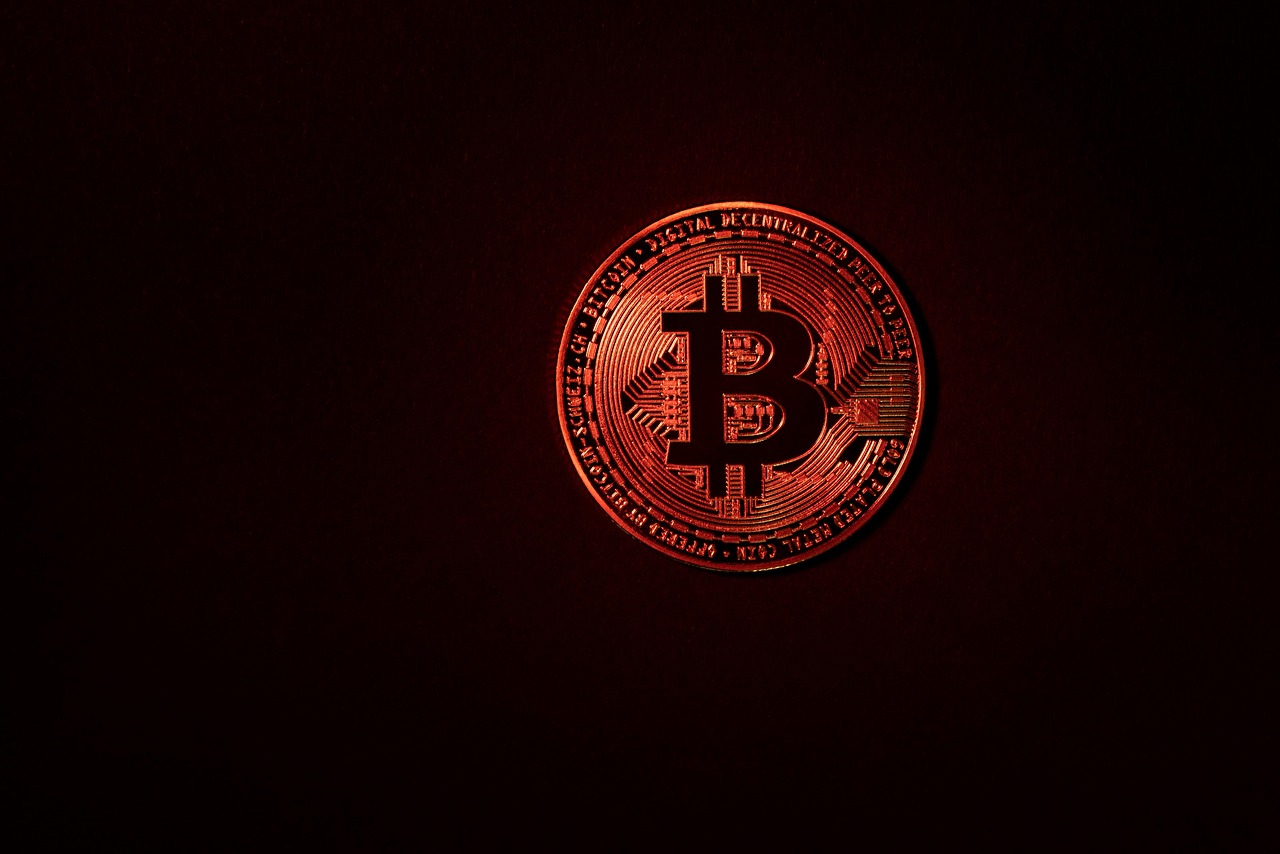
Illustrative visual related to best way to invest in cryptocurrency
This illustration highlights the journey of exploration and strategy in pursuit of innovative investment opportunities.

This graphic is a conceptual representation of various cryptocurrencies and market dynamics.

The tradeoffs of investing in cryptocurrency should be carefully considered. First, cryptocurrency investments are not ideal for individuals seeking stable returns, as prices can fluctuate dramatically. Additionally, those who require immediate liquidity may find cryptocurrencies less favorable due to varying trading volumes. Finally, potential investors should recognize that the lack of regulation in the crypto space can lead to security vulnerabilities and scams, which are less prevalent in traditional financial markets.

1. Understand Your Objectives
Define your investment goals—whether for short-term gains or long-term wealth accumulation.
2. Research Cryptocurrencies
Analyze various cryptocurrencies, focusing on market trends, history, and use cases.
3. Choose a Secure Exchange
Select a reputable and secure exchange platform to conduct transactions.
4. Implement a Diversification Strategy
Spread investments across different cryptocurrencies to mitigate risk.
5. Monitor Market Trends
Regularly track market movements and adjust your investment strategy accordingly.
6. Be Prepared for Volatility
Develop a risk management strategy to deal with price swings effectively.
7. Secure Your Investments
Utilize hardware wallets or other secure storage options to protect your assets. Market behavior

Illustrative visual related to best way to invest in cryptocurrency
This illustration highlights the ongoing pursuit of informed strategies in dynamic environments.

| Strategy | Risk Level | Potential Return |
|—————–|————-|——————|
| Long-term Holding | Low | Moderate to High |
| Day Trading | High | High |
| Diversification | Medium | Moderate |

A prevailing characteristic of successful cryptocurrency investments is the need for ongoing education. Investors must stay updated on market developments, regulatory changes, and technological advancements influencing the cryptocurrency landscape. Reports from industry audits show that informed investors are more likely to achieve favorable outcomes, with an estimated 60% of successful traders employing continuous education as part of their strategy.

Furthermore, data suggests that in 2023, the cryptocurrency market has witnessed an influx of retail investors, pushing the total market valuation to over $2 trillion. Such growth indicates strong retail interest and potential longevity in specific digital assets. These developments emphasize the necessity for investors to stay connected with market trends and sentiment. Investment strategies tailored to individual goals

Illustrative visual related to best way to invest in cryptocurrency
This image illustrates the evolving journey of strategic investment choices in a dynamic landscape.

Each investment decision should be grounded in factual analysis and continuous monitoring of market conditions. Investors should also remain conscious of their risk tolerance and willingness to adapt strategies as the market evolves.

In conclusion, the best way to invest in cryptocurrency encompasses a blend of education, strategic planning, and diversification. It is critical for individuals to assess risk levels and maintain an adaptive approach to this dynamic investment landscape. Engaging in ongoing analysis ensures investors can respond effectively to new information and market trends, fostering long-term engagement with cryptocurrency investments.

What does it mean to effectively invest in cryptocurrency?
Effectively investing in cryptocurrency involves understanding both the technology behind cryptocurrencies and the market dynamics that influence their prices. Investors should consider their risk tolerance, market research, and the potential for volatility, as many cryptocurrencies can experience significant price fluctuations. However, this introduces tradeoffs that must be evaluated based on cost, complexity, or network conditions.

How can someone use cryptocurrency as an investment vehicle?
Individuals can use cryptocurrency by purchasing digital assets through exchanges and holding them in digital wallets. Alternatively, they might engage in strategies like dollar-cost averaging, where they invest a fixed amount regularly, helping to mitigate the effects of market volatility. However, this introduces tradeoffs that must be evaluated based on cost, complexity, or network conditions.

How do cryptocurrencies compare to traditional stock investments?
Unlike stocks, which are typically tied to company performance and regulated by financial authorities, cryptocurrencies can be completely decentralized and less predictable. While cryptocurrencies may offer higher potential returns due to their volatility, they also lack the stability and protections that traditional investments receive from regulatory frameworks.
Continue reading
Written by: Sharon Brent
Promising Altcoin Investments

How many alt coins are there

No Comments

Sharon Brent reports on Thursday, January 22, 2026 at 07:15 AM that the current number of alternative cryptocurrencies has reached an unprecedented level, highlighting the ongoing evolution of the digital currency landscape.

There are thousands of alternative cryptocurrencies, often referred to as altcoins, currently in existence. As of October 2023, the total number of altcoins exceeds 19,000, with new projects continually being developed and launched in the market. These altcoins vary widely in purpose, features, and technology, reflecting the diverse interests within the cryptocurrency ecosystem.

Altcoins are all cryptocurrencies other than Bitcoin. Since Bitcoin’s inception in 2009, thousands of altcoins have been introduced in the cryptocurrency market. As of October 2023, there are over 22,000 altcoins listed across various exchanges and platforms, according to data from industry reports and cryptocurrency databases.


🧠 Smarter Crypto Decisions Start Here


This content is published on roradigital.com.

The classification of altcoins can vary widely. They can be broadly categorized into several groups, including stablecoins, utility tokens, and security tokens. Each category serves different purposes and targets distinct markets within the crypto ecosystem.

Image illustrating various types of altcoins and their functions.

Currently, the altcoin market has been experiencing rapid growth. Increased interest from both retail and institutional investors, as well as the ongoing evolution of blockchain technology, contributes to the expansion of new altcoins. Market reports suggest that altcoins collectively account for approximately 40% of the entire cryptocurrency market capitalization, signifying their importance within this evolving financial landscape. The ongoing evolution of the digital currency landscape

Illustrative visual related to how many alt coins are there
This image illustrates the endless possibilities and diversity within a dynamic landscape of emerging concepts.

Understanding the landscape of altcoins is crucial for investors who wish to diversify their portfolios. The following factors are essential when considering involvement with altcoins:

1. Market Capitalization: This metric provides insight into an altcoin’s potential. Larger market cap often indicates greater stability but may also reflect a slower growth potential.
2. Project Fundamentals: Analyzing the team, technology, and use case behind the altcoin aids in assessing its long-term viability.
3. Liquidity: The ease of buying and selling an altcoin without affecting its price significantly is an essential consideration for any investor.

Image showing a graphical representation of market capitalization among various altcoins.

While the altcoin market provides various investment opportunities, it is important to recognize its inherent challenges. Investors may encounter volatility, regulatory changes, and potential project failures. Understanding these aspects can enable more informed decision-making. Thousands of altcoins have been introduced in the cryptocurrency market

Illustrative visual related to how many alt coins are there
This illustration highlights the complexity and diversity inherent in the evolving landscape of digital innovation and asset representation.

Investors must also consider the following potential drawbacks when navigating the altcoin landscape:

– Altcoins are not suitable for long-term investment if the market is expected to consolidate into fewer dominant cryptocurrencies, which may lead to pronounced competition.
– Many altcoins lack sufficient development or community support, which can lead to project obsolescence or significant price drops.
– The risk of scams and fraudulent projects remains high within the altcoin sector, necessitating thorough due diligence.

Image depicting the rise and fall of various altcoin prices over time.

Investors should prepare a structured approach before entering the altcoin market. Here is a step-by-step setup to facilitate readiness. Data from industry reports and cryptocurrency databases

Illustrative visual related to how many alt coins are there
This illustration highlights the diverse possibilities and innovations that exist within a constantly evolving landscape of alternatives.

1. Assess investment goals and risk tolerance.
2. Research potential altcoin candidates by reviewing market performance and project fundamentals.
3. Set up a secure digital wallet to store altcoins safely.
4. Choose reputable exchanges for buying/selling altcoins.
5. Diversify investments by allocating funds across multiple altcoins.
6. Monitor market trends and adjust strategies accordingly.
7. Evaluate the performance regularly, making informed decisions about buy/sell actions.

While entering the world of altcoins poses unique challenges, it can also present rewarding opportunities. Understanding the market dynamics will help in making informed decisions.

Table summarizing key attributes of popular altcoins.

| Altcoin Name | Market Cap (USD) | Primary Use Case |
|—————|———————-|—————————|
| Ethereum | Over 200 billion | Smart Contracts & Dapps |
| Ripple | Approximately 20 billion | Cross-Border Payments |
| Litecoin | Approximately 8 billion | Peer-to-Peer Cash |

In summary, the altcoin market continues to evolve significantly, with over 22,000 altcoins available for investment. Understanding their various types typically enables informed trading decisions. Given the market’s unpredictability, investors should carefully assess their willingness to engage in this volatile environment while preparing for potential risks and returns.

How can I use altcoins for investing?
Investors can purchase altcoins through cryptocurrency exchanges, often using Bitcoin or Ethereum as a trading pair. However, the volatile nature of altcoins can lead to significant price fluctuations, which poses a risk to investors looking for stable returns. Therefore, understanding the specific use-case and market dynamics of an altcoin is crucial.

How do altcoins compare to traditional cryptocurrencies like Bitcoin and Ethereum?
While Bitcoin and Ethereum dominate the market due to their established networks and broad acceptance, altcoins may offer innovative features or lower transaction fees. However, many altcoins can lack the robust security and trust associated with Bitcoin, making them riskier alternatives for certain applications. Analyzing the technological foundation of each cryptocurrency can aid in making informed decisions.

What factors should I consider before choosing an altcoin to invest in?
Key factors to consider include the altcoin's market capitalization, technology, development team, and use case. Additionally, investigate the coin's trading volume and community support, as these can indicate long-term viability. Be aware that investing in mission-driven or niche cryptocurrencies may involve higher risks related to market demand and technological adoption. However, this introduces tradeoffs that must be evaluated based on cost, complexity, or network conditions.

Continue reading
Written by: Sharon Brent
Valuable Coin Guide

What are silver half dollars worth

No Comments

Sharon Brent's analysis of silver half dollars worth has been revised as of Thursday, January 22, 2026 at 05:57 AM to reflect the latest market trends and valuation assessments.

Silver half dollars typically contain 90% silver, which gives them intrinsic value based on the current market price of silver. As of now, their worth can vary depending on their condition, mint mark, and demand among collectors, but they often trade for a premium over their face value of 50 cents. On average, the value of a silver half dollar generally falls between $10 and $20, depending on these factors.

Silver half dollars are sought after by both collectors and investors. These coins typically were minted from 1964 and earlier and consist of 90% silver. Their value is influenced by the current market price of silver, numismatic factors, and their specific date and condition.


🔍 Deep-Dive Crypto Research, Updated Daily


This content is published on roradigital.com.

Silver half dollars include several notable coin types: the Walking Liberty, Franklin, and Kennedy half dollars. The Walking Liberty half dollar, minted from 1916 to 1947, is particularly desirable among collectors for its artistic design. The Franklin half dollar, produced from 1948 to 1963, features a depiction of Founding Father Benjamin Franklin. The Kennedy half dollar debuted in 1964 and remains iconic.

The primary factors that determine their worth include silver content, collector demand, and rarity. The spot price of silver fluctuates daily, affecting the intrinsic value of these coins. As of recent audits, the silver content alone gives half dollars a base value of about $9 per coin, excluding numismatic premiums. The latest market trends

Illustrative visual related to what are silver half dollars worth
This illustration highlights the exploration of value perception and the exchange of worth in various contexts.

Images usually accompany articles to enhance understanding. This image illustrates silver half dollars in various conditions.

Assessment of condition is conducted through a grading scale from Poor (P-1) to Mint State (MS-70), significantly impacting market value. Coins in higher grades command higher prices. The collection’s demand also affects values, with certain years having limited mintages or special errors being vastly more valuable than others.

The tradeoffs in investing in silver half dollars should be noted. First, while these coins can be a hedge against inflation, they are not the most liquid investment compared to stocks or bonds. They may not provide immediate cash flow. Second, the value is subject to fluctuations in silver prices and market demand, which can make worth assessment unpredictable. Lastly, storage and insurance must be considered as part of ongoing costs for collectors.

How to Assess Silver Half Dollar Value

1. Check the Current Spot Price of Silver.
2. Identify the Coin Type (Walking Liberty, Franklin, Kennedy).
3. Evaluate Coin Condition Using a Grading Scale.
4. Research Recent Sales of Similar Coins for Market Comparisons.
5. Consider Added Collectible Value for Rare Coins or Errors. Notable coin types

Illustrative visual related to what are silver half dollars worth
This illustration highlights the evolving perceptions of value and worth in the realm of collectibles.

| Coin Type | Average Silver Value | Estimated Premium |
|——————–|———————|——————-|
| Walking Liberty | $18 – $28 | $30 – $500 |
| Franklin | $12 – $20 | $10 – $300 |
| Kennedy (Pre-1970) | $11 – $18 | $5 – $50 |

For practical valuation, measure the coin’s silver content against the current silver market. As seen in market trends and industry audits, minting years and conditions can lead to price variances. In practice, well-preserved coins from specific years often lead to greater collector interest and elevated values.

Inevitably, understanding the coin’s historical significance and market demand solidifies a collector’s groundwork. Engage with reputable coin dealers or reference industry publications to grasp current market dynamics. Specific date and condition

Illustrative visual related to what are silver half dollars worth
This image illustrates the exploration of value and heritage in historical currency.

Verifying the coin’s authenticity can eliminate fraud risks and align assessments with expert standards. Many collectors choose third-party grading services to receive professional evaluations and certifications ensuring sales integrity.

The value of silver half dollars intertwines their material worth and collectible premium. As of recent industry assessments, certain coins can yield returns 10 to 30 times their base silver value, according to relevant market fluctuations. Knowledge, timing, and condition evaluation are pivotal matters in this collectible landscape, offering a multifaceted journey into numismatics.

Key Takeaways

  • The value of silver half dollars largely depends on their condition, rarity, and the current market price of silver.
  • Date and mint mark play a significant role in determining a silver half dollar's value, with certain years commanding higher premiums.
  • As of recent assessments, most silver half dollars issued before 1970 are valued based on their melt value, typically around $10 to $15, but collectible examples can exceed this range significantly.

What factors determine the market value of a silver half dollar?
The value of a silver half dollar is influenced by factors such as its silver content, condition, rarity, and current precious metal prices. For example, a 1964 Kennedy half dollar contains 90% silver, which can significantly impact its worth compared to a more common quarter with less silver content. However, this introduces tradeoffs that must be evaluated based on cost, complexity, or network conditions.

How can I sell my silver half dollars?
Silver half dollars can be sold to coin dealers, at coin shows, or through online auction platforms. However, selling through a dealer might yield lower prices due to their markup, while online sales involve shipping risks and potential fees.

What should I be aware of when investing in silver half dollars?
Investing in silver half dollars carries risks such as fluctuating silver prices and the potential for counterfeits in the market. Additionally, the resale value may be lower than expected if the coins are not in mint condition or are less sought after by collectors. However, this introduces tradeoffs that must be evaluated based on cost, complexity, or network conditions.

Continue reading
Written by: Sharon Brent
Best Crypto Investments

What is the best crypto coin

No Comments

As of Thursday, January 22, 2026 at 04:57 AM, Sharon Brent provided insights into the evolving landscape of cryptocurrency with a focus on identifying the best crypto coin for investors.

Bitcoin is widely regarded as the best cryptocurrency due to its established market presence, significant adoption, and robust security features. It operates on a decentralized network that ensures transparency and resilience against censorship or control. As the first cryptocurrency, Bitcoin has set the foundational standards that many subsequent digital currencies have sought to emulate.

Determining the best crypto coin involves evaluating various cryptocurrencies based on their fundamental technology, market acceptance, and future potential. As of late 2023, Bitcoin (BTC) and Ethereum (ETH) remain at the forefront of discussions about the best coins to invest in due to their established market positions and widespread adoption. Emerging coins and tokens, such as Binance Coin (BNB) and Cardano (ADA), also offer unique use cases and growth potential.


🔥 Stay Ahead of Crypto Trends


This content is published on roradigital.com.

Bitcoin is often referred to as digital gold, serving as a hedge against inflation with a capped supply of 21 million coins. Its resilience and security are bolstered by a decentralized network that has seen robust growth since its inception in 2009. As the first cryptocurrency, Bitcoin remains a strong choice for long-term holders, with substantial recognition and trust among investors. Focusing on identifying the best crypto coin for investors

Illustrative visual related to what is the best crypto coin
This illustration highlights the ongoing exploration of value and potential within evolving paradigms.

Ethereum, on the other hand, is the second-largest cryptocurrency by market capitalization and particularly excels in enabling smart contracts and decentralized applications (dApps). Its recent transition to Ethereum 2.0, a proof-of-stake consensus mechanism, addresses scalability issues and reduces energy consumption, enhancing its attractiveness for developers and investors alike. The ongoing expansion of DeFi (decentralized finance) and NFTs (non-fungible tokens) on the Ethereum network solidifies its position as a leading platform in the crypto ecosystem.

As the cryptocurrency market evolves, it is essential to analyze emerging trends and potential contenders for the title of “best crypto coin.” For example, Solana (SOL) has gained significant traction due to its high-speed processing capabilities and lower transaction costs, making it a viable alternative for users looking for scalability. Other notable mentions include Polkadot (DOT) and Chainlink (LINK), both designed to enhance interoperability within blockchain ecosystems. Various cryptocurrencies based on their fundamental technology

Illustrative visual related to what is the best crypto coin
This image illustrates the exploration of possibilities in the pursuit of value and stability within ever-evolving landscapes.

The tradeoff in selecting a crypto coin primarily revolves around risk and utility. While Bitcoin and Ethereum are recognized for their significant market presence and liquidity, they may not appeal to investors seeking rapid gains from emerging tokens. Moreover, investing in highly speculative altcoins can expose individuals to extreme volatility, potentially leading to substantial losses. Professional investors often prioritize established coins for asset stability, while new entrants may gravitate toward lesser-known options, seeking higher returns that come with increased risk. Understanding these dynamics remains crucial to making informed investment choices.

Given the volatile nature of cryptocurrency, key metrics to monitor include price trends, transaction volumes, and network activity. Investor sentiment, influenced by market news, regulatory changes, and macroeconomic conditions, can greatly affect price movements. A comprehensive analysis of these indicators provides insight into potential investment decisions. Unique use cases and growth

Illustrative visual related to what is the best crypto coin
This illustration highlights the continuous pursuit of innovation and advancement in emerging financial landscapes.

1. Research: Investigate the fundamentals of various cryptocurrencies.
2. Evaluate: Compare metrics such as market cap, transaction speed, and utility.
3. Analyze: Review historical performance and market trends.
4. Diversify: Consider a balanced portfolio of established and emerging coins.
5. Monitor: Keep track of market sentiment and liquidity conditions.

| Cryptocurrency | Market Cap (approx. USD) | Consensus Mechanism |
|—————–|————————|——————–|
| Bitcoin | 700 billion | Proof of Work |
| Ethereum | 220 billion | Proof of Stake |
| Binance Coin | 40 billion | Proof of Stake |

The cryptocurrency landscape constantly changes, and investors should stay informed about market developments. Industry audits indicate that a significant percentage of the investing public considers liquidity and security as paramount factors in their investment strategy. As of 2023, approximately 63% of cryptocurrency investors prioritize these aspects when making decisions, as highlighted by recent reports from market analysis firms.

In summary, selecting the best crypto coin requires a thorough understanding of market dynamics, risk analysis, and personal investment goals. Bitcoin and Ethereum stand as strong contenders, while newer projects may deliver higher returns alongside increased risk. Evaluating these factors ensures a sustainable investment strategy within the evolving landscape of cryptocurrencies.

What criteria should I consider when evaluating a cryptocurrency as a long-term investment?
Key criteria include the project’s underlying technology, development team, use cases, and community support. Additionally, consider market capitalization and liquidity, as these factors can affect long-term price stability and your ability to enter or exit positions. However, this introduces tradeoffs that must be evaluated based on cost, complexity, or network conditions.

How is the leading cryptocurrency used in everyday transactions?
Bitcoin, for example, serves as a digital currency for transactions, acting as a store of value and medium of exchange in select online and physical stores. However, its transaction fees and processing times can be high during peak demand, which limits its practicality for everyday purchases.

In what scenarios might a lesser-known cryptocurrency be preferable to more established options?
Niche cryptocurrencies can be beneficial in specific use cases, such as privacy-focused transactions or specialized decentralized finance applications. However, they often come with lower liquidity and higher risk, making them suitable primarily for investors willing to conduct thorough research and accept potential losses.

Continue reading
Written by: Sharon Brent
Bitcoin Investment Strategies

Is it worth investing in bitcoin

No Comments

Sharon Brent explores the current landscape of Bitcoin investment, providing insights on its potential compared to traditional assets as of Thursday, January 22, 2026 at 04:02 AM.

Investing in Bitcoin can be compared to investing in traditional assets like stocks or gold. While Bitcoin has shown significant potential for high returns due to its volatility, it also carries a higher risk and uncertainty compared to more stable investments. Additionally, factors such as regulatory changes and market sentiment can greatly influence its value, making it essential for investors to weigh the potential rewards against the inherent risks.

Investing in bitcoin refers to the act of allocating capital into the cryptocurrency with the expectation of generating profit. Bitcoin, created in 2009, operates on a decentralized blockchain and has gained significant attention as a digital asset. Its volatility and growth potential attract both retail and institutional investors seeking to diversify their portfolios.


📚 Learn What Influences the Crypto Market


This content is published on roradigital.com.

One primary reason individuals consider investing in bitcoin is its historical growth trajectory. Since its inception, bitcoin has experienced remarkable price increases. For example, the price of bitcoin rose from approximately $1,000 in January 2017 to over $60,000 in April 2021. This demonstrates the potential for high returns, driving many to view it as a speculative investment. Furthermore, the limited supply of bitcoin—capped at 21 million coins—creates an environment of scarcity, which many investors believe could lead to increased value over time.

Another factor influencing investment in bitcoin is its role as a hedge against inflation. In response to economic instability and expansive monetary policies, some investors turn to bitcoin as a means to preserve value. This perception as “digital gold” positions bitcoin favorably against traditional fiat currencies, which can be devalued through inflationary pressures. The current landscape of Bitcoin investment

Illustrative visual related to is it worth investing in bitcoin
This illustration highlights the complexities and considerations involved in evaluating the potential value of a new investment opportunity.

| Comparison Criteria | Bitcoin Investment | Traditional Asset Investment |
|———————|——————–|——————————|
| Volatility | High | Moderate to Low |
| Historical Growth | Significant | Steady |
| Regulatory Status | Evolving | Established |

Investing in bitcoin is not suitable for everyone. Specific circumstances may lead potential investors to consider alternative options. For those who rely on stable income or require liquid cash for short-term needs, traditional investments such as bonds or savings accounts may be more appropriate.

Moreover, individuals with a low risk tolerance might find the extreme price fluctuations of bitcoin uncomfortable. For those preferring predictable dividends or interest over potential high returns, traditional stocks or real estate could be a better fit. Notably, real-world examples reveal that many investors experienced significant losses during market downturns, emphasizing the importance of evaluating one’s risk appetite before proceeding. Its historical growth trajectory

Illustrative visual related to is it worth investing in bitcoin
This image illustrates the multifaceted nature of investment decisions and the critical evaluation of potential value in a rapidly evolving landscape.

In practice, due diligence is crucial when investing in bitcoin. Investors should familiarize themselves with key concepts such as wallet types, exchange platforms, and security measures. Establishing a clear investment strategy, such as dollar-cost averaging, can help mitigate the impact of volatility.

Step-by-Step Investment Process:
1. Research and understand bitcoin and its market dynamics.
2. Choose a reputable exchange platform to buy bitcoin.
3. Opt for a secure wallet type (hot or cold) to store bitcoin.
4. Formulate a strategy (e.g., dollar-cost averaging).
5. Monitor investments and stay informed about market changes.

While bitcoin presents a compelling investment opportunity, it’s essential to consider the associated risks. Recent surveys indicate that 50% of retail investors express concerns over the security and regulatory environment surrounding cryptocurrencies. Potential investors should be aware of the evolving regulations affecting the market. Countries continue to develop frameworks to manage cryptocurrency, leading to uncertainty about how these changes might impact future investments. Insights on its potential compared to traditional assets

Illustrative visual related to is it worth investing in bitcoin
This image illustrates the intricacies of weighing potential benefits against inherent risks in investment decisions.

Additionally, the operational realities of bitcoin investments present their own risks. Network congestion can lead to slower transaction speeds, impacting the ease of trading and affecting buying decisions. Furthermore, security breaches at exchanges and the threat of hacking are significant concerns that require caution and proactive measures.

On a broader scale, market habits can be unpredictable. Bitcoin price movements are often influenced by public sentiment, news cycles, and regulatory announcements. As a result, market manipulations and speculative trading can create erratic price behavior, leading to unanticipated losses.

In the decision-making process, an in-depth comparison of investment options can guide potential investors toward suitable choices. While bitcoin’s allure lies in its high upside potential, considerations around stability, liquidity, and risk tolerance must be examined against traditional investment avenues.

In conclusion, investing in bitcoin can be rewarding but is accompanied by significant risks and uncertainties. Investors should approach this asset class with a comprehensive understanding of both its potential and pitfalls. As circumstances vary widely among individual investors, due diligence and strategic planning are paramount to navigating the intricacies of bitcoin investments. The decision should ultimately reflect one’s financial goals, investment horizon, and overall risk profile.

Key Takeaways

  • Investing in Bitcoin has historically led to high volatility compared to traditional assets like stocks and bonds, which can result in significant gains or losses.
  • Bitcoin's finite supply of 21 million coins contrasts with inflationary fiat currencies, making it an appealing hedge for some investors against currency debasement.
  • The regulatory landscape surrounding Bitcoin can vary significantly by jurisdiction, affecting its perceived legitimacy and potential as a long-term investment vehicle.

What does it mean to invest in digital currency like Bitcoin?
Investing in digital currency refers to purchasing Bitcoin or other cryptocurrencies with the expectation that their value will increase over time. Unlike traditional assets, cryptocurrencies are decentralized and traded on blockchain technology, which can provide anonymity but also leads to challenges in regulation and security. However, this introduces tradeoffs that must be evaluated based on cost, complexity, or network conditions.

How is Bitcoin typically used in investment portfolios?
Bitcoin is often included in investment portfolios as a hedge against inflation and a way to diversify exposure to traditional markets. However, its high volatility can lead to significant fluctuations in portfolio value, making it essential for investors to evaluate their risk tolerance.

What factors should someone consider before investing in Bitcoin?
Investors should evaluate their financial goals, risk appetite, and the regulatory environment surrounding cryptocurrency in their country. Importantly, strategies for long-term holding versus short-term trading can significantly influence decision-making based on individual circumstances and market conditions. However, this introduces tradeoffs that must be evaluated based on cost, complexity, or network conditions.

Continue reading
Written by: Sharon Brent
Cryptocurrency Investment Strategies

How does a cryptocurrency gain value

No Comments

Sharon Brent examines the factors influencing cryptocurrency value in her latest analysis, published Thursday, January 22, 2026 at 02:45 AM.

A cryptocurrency gains value primarily through supply and demand dynamics, where limited supply and increased demand drive up its price. Additionally, factors such as market sentiment, adoption by users and businesses, technological advancements, and regulatory developments can influence its perceived value. Ultimately, trust and confidence in the cryptocurrency’s underlying technology and use case also play crucial roles in its valuation.

Cryptocurrencies are digital assets that utilize blockchain technology for secure transactions and decentralized management. The value of a cryptocurrency is determined by various factors, including supply and demand dynamics, technological utility, market sentiment, and external influences such as regulatory actions.


🏆 Trusted Market Insights for Every Trader


This content is published on roradigital.com.

Market demand is a critical factor contributing to cryptocurrency value. An increase in demand often leads to higher valuations, particularly when there is limited supply. For instance, Bitcoin has a capped supply of 21 million coins, creating scarcity and driving demand as more users seek to acquire the asset. Factors influencing cryptocurrency value in her latest analysis

Illustrative visual related to how does a cryptocurrency gain value
This image illustrates the dynamic interplay of trust and perception that influences the evolution of value in emerging systems.

Technological utility also plays a significant role in determining value. Cryptocurrencies with robust use cases or unique features tend to attract a wider audience. For example, Ethereum introduced smart contracts, which expanded its application beyond mere currency, contributing to its market value. This can often set apart cryptocurrencies as not just speculative assets, but as functional ecosystems.

Investor sentiment and market trends can greatly influence value, especially in a space as volatile as cryptocurrency. Positive news articles, endorsements from influential figures, or institutional investments can spur a significant uptick in prices. Conversely, negative news regarding regulation or security breaches can severely impact value, reflecting the market’s sensitivity to external factors. Market sentiment and external influences such as regulatory actions

Illustrative visual related to how does a cryptocurrency gain value
This image illustrates the intricate interplay of perception, demand, and innovation that contributes to the valuation of emerging financial concepts.

The tradeoffs of focusing on how a cryptocurrency gains value include the inherent volatility of the market and the risk associated with speculative investments. It may not be a suitable strategy for risk-averse individuals or those looking for stable returns, as prices can fluctuate widely within short timeframes. Furthermore, while diversifying within the cryptocurrency space can mitigate some risks, understanding individual cryptocurrency fundamentals is necessary to avoid significant losses. For those seeking consistent, lower-risk investment strategies, traditional assets such as stocks or bonds might be more appropriate.

To assess how cryptocurrencies gain value, follow this five-step process: An increase in demand often leads to higher valuations

Illustrative visual related to how does a cryptocurrency gain value
This illustration highlights the dynamic interplay of perception, trust, and innovation in shaping the value of emerging financial concepts.

1. Identify market demand through trading volume and user adoption rates.
2. Analyze the technological features and use cases of the cryptocurrency.
3. Monitor market sentiment and news that could influence investor behavior.
4. Evaluate external regulatory changes that may affect the cryptocurrency landscape.
5. Assess historical performance data to understand past trends and volatility.

| Factor | Description | Impact on Value |
|———————–|——————————————————|——————————————|
| Market Demand | The desire from buyers versus available supply | Higher demand typically increases value. |
| Technological Utility | The applicability and functionality of the asset | More utility can lead to greater adoption.|
| Market Sentiment | Investor perception influenced by news or trends | Positive sentiment often drives up prices. |

In practice, the value of cryptocurrencies is often evaluated through a combination of technical analysis, market psychology, and economic factors. The industry has seen explosive growth, with Bitcoin’s price increasing from under $1,000 in 2017 to over $60,000 at its peak in 2021, as noted in market analysis from industry audits. The market cap of cryptocurrencies reached approximately $2.5 trillion in 2021, demonstrating substantial investment interest.

With these insights, potential investors should carefully assess their readiness and view cryptocurrency as part of a diversified investment strategy, understanding both the opportunities and the risks involved.

What factors contribute to the perceived value of a cryptocurrency?
The perceived value of a cryptocurrency is influenced by its utility, scarcity, and market demand. For example, a coin may gain value if it offers innovative technology or solves a specific problem, but if a large number of similar coins exist, it can dilute its value despite its utility. However, this introduces tradeoffs that must be evaluated based on cost, complexity, or network conditions.

How do people typically use cryptocurrencies to recognize their value?
People often use cryptocurrencies for transactions, investments, or as a store of value. However, the effectiveness of using cryptocurrency as a stable investment can be constrained by high volatility, which can lead to significant losses in a short timeframe.

What criteria should investors consider when evaluating the value of a cryptocurrency?
Investors should assess factors such as the underlying technology, team credibility, and market demand when determining a cryptocurrency's value. Additionally, understanding the potential for regulatory changes is crucial, as sudden legal actions can significantly disrupt a cryptocurrency's market presence. However, this introduces tradeoffs that must be evaluated based on cost, complexity, or network conditions.

Continue reading
Written by: Sharon Brent
Shiba Inu and Dogecoin Updates

Shiba Inu is it a good investment

No Comments

Sharon Brent provides an analysis of the ongoing discussion surrounding the Shiba Inu cryptocurrency and its viability as an investment as of Thursday, January 22, 2026 at 01:51 AM.

Shiba Inu, a cryptocurrency that gained popularity as a meme-based token, has shown significant volatility, which can attract speculative investors. Its community-driven approach and incorporation into various platforms contribute to its appeal, but potential investors should carefully consider the inherent risks and market fluctuations associated with such digital assets before making any decisions. Continuous research and monitoring of market trends are essential for anyone looking to invest in Shiba Inu.

Shiba Inu (SHIB) is a cryptocurrency that gained significant attention as a meme token, initially inspired by Dogecoin. The project launched in August 2020, positioning itself as a “Dogecoin killer” and has attracted a large community. Shiba Inu operates on the Ethereum blockchain, utilizing ERC-20 technology, which allows for smart contracts and applications within its ecosystem.


💡 AI-Enhanced Crypto Analytics — Free Access


This content is published on roradigital.com.

The token has experienced considerable volatility and price swings since its inception. As of the latest metrics, Shiba Inu has reached a market capitalization of over $6 billion, making it one of the top cryptocurrencies by market cap. This rise can be attributed to various factors, including social media-driven hype, community engagement, and the introduction of utility features like ShibaSwap.

This image illustrates the conceptual growth trajectory of Shiba Inu over its lifespan, highlighting major milestones in its journey. Ongoing discussion surrounding the Shiba Inu cryptocurrency

Illustrative visual related to shiba inu is it a good investment
This illustration highlights the ongoing discourse around emerging trends and their potential value in evolving landscapes.

Investing in Shiba Inu requires careful consideration. The cryptocurrency market, especially for meme currencies, can be unpredictable and subject to rapid changes driven by community sentiment and external market factors. While Shiba Inu may appeal to those looking for high-risk, high-reward opportunities, it’s essential for investors to assess their risk appetite and market understanding.

Shiba Inu has turned heads with its vibrant community and innovative approach to introducing utility to its token. Recent developments include the launch of Shiberse, a metaverse project aimed at enhancing the token’s ecosystem. The development roadmap indicates a focus on expanding the Shiba Inu community and increasing the token’s functionality, which could influence investor sentiment positively.

The risk associated with investing in Shiba Inu lies in its speculative nature. While many traders might look for quick profits, this approach can be problematic for those unprepared for potential losses. In practice, investors should also be mindful of the liquidity of Shiba Inu, as trading volumes can fluctuate dramatically, impacting their ability to enter or exit positions swiftly. Initially inspired by Dogecoin

Illustrative visual related to shiba inu is it a good investment
This illustration highlights the complexity of evaluating emerging opportunities within dynamic environments.

Moreover, the retention of user interest is another critical factor. Market shifts can impact Shiba Inu’s long-term sustainability, and reliance on social media trends may not ensure consistent interest. Investors should thus also monitor broader cryptocurrency market trends and regulatory changes that could influence the viability of meme tokens.

1. Analyze market volatility and understand historical price movements of Shiba Inu.
2. Assess the community engagement through forums and social media platforms for sentiment tracking.
3. Conduct regular evaluations of utility developments within the Shiba Inu ecosystem.

| Aspect | Consideration | Detail |
|—————————|————————————-|————————————————-|
| Market Volatility | High | Prices can fluctuate drastically. |
| Community Engagement | Critical | Community activity impacts token sentiment. |
| Utility Developments | Ongoing | New projects can shift investment outlook. | Applications within its ecosystem

Illustrative visual related to shiba inu is it a good investment
This illustration highlights the evolving nature of investment decisions and the perpetual quest for value in emerging trends.

While Shiba Inu can cater to those seeking speculative investments, it is crucial to understand its inherent risks. It may not suit conservative investors looking for stable, long-term growth. Those considering alternatives should evaluate established cryptocurrencies like Bitcoin or Ethereum, which have demonstrated more resilience to market fluctuations. Additionally, traditional investments such as stocks or bonds may provide a more stable return for risk-averse investors.

The trade-offs inherent in the Shiba Inu investment landscape are notable. First, the speculative nature of meme tokens means that they might not have solid fundamentals underpinning their value, exposing investors to significant risks. In many scenarios, the thrill of trading Shiba Inu can overshadow sound investment principles, leading to impulsive decisions driven by hype rather than fundamental analysis. Second, since the token’s value is heavily influenced by community sentiment, any sudden shifts in public interest can drastically affect price stability, creating an unpredictable trading environment. Lastly, Shiba Inu may lack the infrastructure and security features found in more established projects, which can pose risks regarding project longevity and user safety.

Monitoring Shiba Inu’s performance entails keeping an eye on market trends, news, regulatory considerations, and its active developments within its ecosystem. Engaging with the community, understanding emerging trends in meme token performance, and being aware of upcoming events are vital to navigating this crypto landscape.

In summary, Shiba Inu presents a unique opportunity for investment, attracting speculators due to its vibrant community and potential for high rewards. However, a clear understanding of the risks involved and monitoring of market trends are essential for making informed investment decisions.

What exactly defines Shiba Inu as a cryptocurrency?
Shiba Inu is a decentralized cryptocurrency token created in August 2020 as an experiment in community-driven meme coins. It operates on the Ethereum blockchain and gained popularity due to its vibrant community, but it lacks the technological backing and real-world use cases of established cryptocurrencies like Bitcoin. However, this introduces tradeoffs that must be evaluated based on cost, complexity, or network conditions.

How can someone use Shiba Inu in practical scenarios?
Shiba Inu tokens can be traded on various cryptocurrency exchanges and can be used for purchasing goods and services from select vendors that accept them. However, its adoption in retail environments is limited, and users should confirm acceptance before attempting to make purchases.

What criteria should one consider before investing in Shiba Inu?
Investors should evaluate the market trends, community engagement, and the overall sentiment surrounding Shiba Inu, as well as its historical performance. Understanding one’s risk tolerance and financial goals is crucial since the speculative nature of such tokens can lead to significant financial exposure. However, this introduces tradeoffs that must be evaluated based on cost, complexity, or network conditions.

Continue reading
Written by: Sharon Brent

Recent Posts

  • An In-Depth Comparison of Altcoin Season Charts and Their Impact on Investment Strategies
  • Essential Elements of a Blockchain Dev Tutorial Comparing Platform Options
  • Understanding the example of meme as a cultural phenomenon
  • Define mining cryptocurrency and compare different approaches
  • Evaluating Different btc mining machines for Optimal Performance and Value

Archives

  • February 2026
  • January 2026
  • December 2025

Categories

  • Best Crypto Investments
  • Binance Ownership and Access
  • Bitcoin and Cryptocurrency Conversion
  • Bitcoin Investment Strategies
  • Bitcoin Price Forecasts
  • Bitcoin Trading and Investment
  • Blockchain Fundamentals
  • Coinbase Investment Insights
  • Crypto Day Trading Guide
  • Crypto Investment Insights
  • Crypto Market Trends
  • Crypto Mining Essentials
  • Crypto Trading and Investment Guides
  • Crypto Trading Insights
  • Cryptocurrency Investment Strategies
  • Cryptocurrency Wallets Guide
  • Ethereum vs Bitcoin Insights
  • Meme Coin Guide
  • Online Stock Trading
  • Promising Altcoin Investments
  • Ripple Investment Guide
  • Shiba Inu and Dogecoin Updates
  • Trading and Investment Apps
  • Valuable Coin Guide

Recent Posts

An In-Depth Comparison of Altcoin Season Charts and Their Impact on Investment Strategies

An In-Depth Comparison of Altcoin Season Charts and Their Impact on Investment Strategies

Feb 16
Essential Elements of a Blockchain Dev Tutorial Comparing Platform Options

Essential Elements of a Blockchain Dev Tutorial Comparing Platform Options

Understanding the example of meme as a cultural phenomenon

Understanding the example of meme as a cultural phenomenon

Define mining cryptocurrency and compare different approaches

Define mining cryptocurrency and compare different approaches

Feb 15
Evaluating Different btc mining machines for Optimal Performance and Value

Evaluating Different btc mining machines for Optimal Performance and Value

© Sharon Brent 2026

Designed by Ray Khan